
Improving home value does not always require a complete renovation. While major kitchen transformations, additions, and other large projects can change a property significantly, many of the improvements that matter most involve maintaining what is already there. A comfortable interior, dependable plumbing, a well-maintained roof, effective drainage, and an attractive exterior can all influence how buyers perceive a property.
When preparing a home for the market, it helps to think about the property from a buyer’s perspective. Visible damage can create an immediate negative impression, while problems involving major systems may raise concerns about future expenses. At the same time, features such as attractive landscaping, usable outdoor living areas, and an inviting entryway can help a home feel more complete.
Homeowners can approach these improvements strategically rather than trying to update everything simultaneously. Addressing necessary repairs first creates a solid foundation for cosmetic projects. From there, improvements that strengthen comfort, functionality, and curb appeal can make the property more attractive. The following areas are among the most important to consider when the goal is protecting or improving a home’s value.
Improve Comfort and Efficiency Throughout the Home

Heating and cooling affect nearly every room, so buyers may pay attention to the age and apparent condition of a home’s climate-control equipment. A house that struggles to maintain comfortable temperatures can raise questions about energy use, equipment condition, insulation, or other underlying problems.
Routine HVAC maintenance can help homeowners identify issues before listing the property. Depending on the system, maintenance may include inspecting components, replacing filters, cleaning appropriate equipment, and checking whether everything is operating as intended. If certain rooms remain consistently uncomfortable, a professional can investigate potential causes instead of assuming the entire system needs replacement.
Homeowners should also keep records of significant maintenance, repairs, and equipment replacements. Documentation can provide useful information when buyers ask about major home systems.
Efficiency improvements do not necessarily require replacing all heating and cooling equipment. Air sealing, insulation improvements, thermostat upgrades, or maintenance may contribute to better performance depending on the home’s condition. The goal should be a system that operates reliably and provides consistent comfort rather than making unnecessary upgrades simply because the property is being prepared for sale.
Address Plumbing Issues Before They Affect Property Value
Plumbing problems can range from minor annoyances to significant sources of property damage. Dripping faucets, running toilets, slow drains, low water pressure, and visible corrosion may seem small individually, but together they can make a home appear poorly maintained.
A professional plumbing company can evaluate persistent concerns and determine whether repairs should be completed before the property reaches the market. Homeowners should pay particular attention to leaks because moisture can damage cabinetry, flooring, drywall, and other materials.
Visible plumbing problems may also cause buyers to wonder about conditions they cannot see. Water stains beneath a sink or around a fixture could raise questions about hidden leaks, even if the original problem was relatively minor.
Addressing known plumbing concerns early provides time to complete repairs properly and correct any related cosmetic damage. It can also help homeowners avoid dealing with an unexpected issue during showings or negotiations.
Renovations involving kitchens and bathrooms should include an evaluation of existing plumbing when appropriate. Attractive fixtures are valuable, but they should be supported by reliable supply and drainage systems.
Keep Drainage Systems Clear to Protect the Exterior
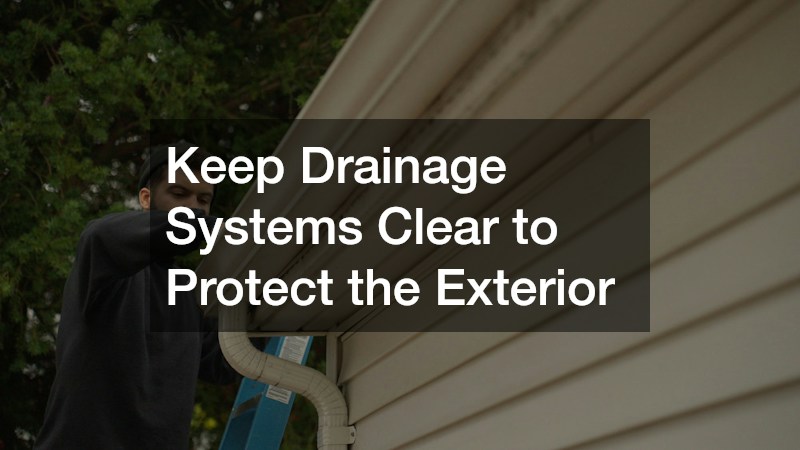
Gutters may not be one of the first features homeowners think about when trying to increase property value, but drainage problems can affect several highly visible areas of the home. Gutters are responsible for collecting rainwater from the roof and directing it toward downspouts.
Regular gutter cleaning removes leaves, twigs, dirt, and other debris that can interfere with this process. When water cannot flow properly, it may spill over gutter edges, collect near the roofline, or drain into inappropriate areas around the property.
Homeowners can watch for warning signs during rainfall. Overflowing gutters, sagging sections, water running behind the gutter, or unusually large pools near downspouts may indicate that attention is needed.
Clean gutters also contribute to curb appeal. Gutters filled with leaves or vegetation can make an otherwise attractive exterior look neglected. Cleaning them before listing a property is a relatively straightforward way to improve presentation while addressing an important maintenance task.
Homes surrounded by mature trees may require more frequent cleaning, particularly during seasons when leaves, seeds, and small branches accumulate quickly.
Maintain the Roof to Preserve Long-Term Value
The roof is one of the home’s largest and most important exterior systems. Its condition can influence curb appeal while also affecting the structure’s protection against rain, snow, wind, and other environmental conditions.
Professional roofing services can help homeowners identify damaged shingles, flashing problems, deteriorated sealants, missing materials, and other concerns. Inspections may be especially useful after severe weather or when the roof is approaching the later stages of its expected service life.
Homeowners do not necessarily need to replace a roof simply because they are preparing to sell. If the system remains in serviceable condition, localized repairs and maintenance may be more appropriate. The correct approach depends on material type, age, installation quality, previous damage, and current condition.
Interior signs such as ceiling stains, damp insulation, or moisture in the attic should receive attention as well. A roofing problem that remains unresolved can damage other areas of the property.
Keeping the roof in good condition demonstrates basic property maintenance and can reduce the likelihood that visible deterioration becomes a major concern for prospective buyers.
Handle Urgent Water Problems Before Damage Spreads
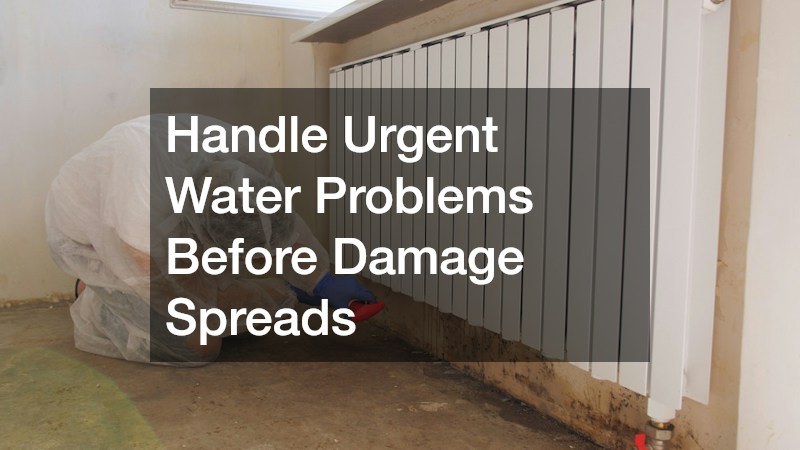
Some household problems can wait for a conveniently scheduled appointment. Active water leaks generally should not. A burst pipe, overflowing fixture, failed water connection, or other significant plumbing problem can quickly damage surrounding materials.
An emergency plumber can help address urgent situations where delaying repairs could allow additional water damage to occur. Homeowners should know where the main water shutoff is located so they can potentially stop the flow of water while professional assistance is arranged.
Once the immediate plumbing problem is controlled, affected areas should be evaluated for damage. Flooring, drywall, cabinetry, insulation, and other porous materials may require drying, repair, or replacement depending on the severity of the incident.
Fast action is particularly important when preparing a property for sale. Simply painting over a water stain without resolving its cause can leave the underlying issue intact.
Homeowners should also investigate recurring leaks rather than repeatedly addressing only the visible symptoms. Identifying and correcting the source can protect both the home and money already invested in renovations or cosmetic improvements.
Strengthen Curb Appeal With Professional Outdoor Improvements
The landscape is one of the first things prospective buyers encounter, making outdoor presentation an important part of preparing a property. A well-maintained yard can frame the house, define walkways, highlight architectural features, and make the entire property feel more inviting.
Professional local landscapers can help homeowners identify improvements appropriate for the property’s size, climate, sunlight, and maintenance requirements. Projects may include trimming overgrown vegetation, refreshing planting beds, improving lawn condition, adding mulch, defining borders, or replacing plants that no longer fit the space.
Homeowners do not necessarily need elaborate landscaping to create a strong impression. Clean, healthy, and intentionally maintained outdoor areas can be more effective than complicated designs that appear difficult to maintain.
Plants should also complement rather than obscure the home. Overgrown shrubs around windows, walkways, or entrances can make a property look smaller or less maintained. Strategic pruning and thoughtful placement can create a cleaner view.
Landscaping improvements can be particularly effective when coordinated with other exterior projects such as painting, lighting, walkway repairs, or entryway updates.
Create More Usable Outdoor Living Space

Outdoor areas can effectively expand how homeowners use their property. A deck provides space for seating, dining, grilling, entertaining, or simply spending time outside. When designed appropriately, it can create a natural transition between interior living areas and the yard.
Professional deck installation services can help homeowners evaluate size, placement, materials, structural requirements, and local building rules. A deck should fit the proportions of the home and yard rather than consuming outdoor space that would be more useful for another purpose.
Material selection affects both appearance and maintenance. Different decking products have varying requirements for cleaning, staining, sealing, and repair. Homeowners should consider how much ongoing maintenance they are willing to perform rather than selecting materials based solely on initial appearance.
Existing decks should also be inspected periodically. Loose boards, unstable railings, deteriorated fasteners, rot, or structural movement should be addressed rather than concealed with cosmetic improvements.
A safe and well-maintained deck can make the backyard feel more functional, giving buyers a clearer idea of how the property’s outdoor space could be enjoyed.
Add Structure and Stability to Sloped Areas
Properties with slopes can present landscaping and drainage challenges, particularly when soil movement or erosion affects usable areas. Thoughtfully designed structural landscaping can help organize these spaces while creating a more finished appearance.
Retaining walls are commonly used to hold back soil and create defined changes in elevation. Depending on the property, they may help establish planting areas, support slopes, define walkways, or create flatter sections of usable landscape.
Proper construction is important because a retaining wall must manage pressure from the soil behind it. Drainage also deserves careful consideration. Water accumulating behind a wall can increase pressure and contribute to movement or deterioration.
Homeowners should avoid assuming every wall is primarily decorative. Larger or structurally significant projects may require professional design, permitting, or specific construction methods depending on local requirements.
When properly integrated into the landscape, retaining features can become attractive design elements rather than purely functional structures. Materials can be selected to complement patios, walkways, exterior finishes, and other features, helping sloped portions of a property appear intentional and well maintained.
Refresh Entryways With Updated Exterior Features
The front entrance receives significant attention because almost every visitor approaches it. An outdated, damaged, or poorly functioning door can weaken an otherwise attractive exterior, while a clean and welcoming entryway can create a positive transition into the home.
New door installations can address appearance, security, functionality, or energy-related concerns. Homeowners may consider replacing exterior doors that are visibly deteriorated, difficult to operate, damaged, or no longer appropriate for the style of the property.
The door itself is only one part of the entrance. Hardware, lighting, trim, house numbers, steps, railings, and nearby landscaping all contribute to the overall presentation. Coordinating these elements can create a more substantial improvement than changing a single feature in isolation.
Homeowners should also make sure exterior doors close and latch properly. Gaps, sticking, damaged weatherstripping, or deteriorated frames may need attention.
A complete entryway does not need to be extravagant. Clean surfaces, functional hardware, appropriate lighting, and a door that complements the home’s architecture can create a polished first impression without requiring a large-scale exterior renovation.
Prevent Water Damage With Routine Exterior Care
Drainage maintenance should continue even after gutters have been cleaned or upgraded. A functioning system depends on gutters, downspouts, roof drainage areas, and ground-level water management working together.
Routine gutter maintenance can include checking for loose fasteners, leaking joints, sagging sections, damaged downspouts, corrosion, and improper drainage. Homeowners should also make sure downspouts are not simply depositing large amounts of water next to vulnerable areas of the home.
Storms can change drainage conditions quickly. Branches and debris may enter gutters, fasteners can loosen, and downspout extensions can shift. Periodic checks allow homeowners to identify these changes before they contribute to larger problems.
The surrounding landscape should be considered as well. Water leaving downspouts needs an appropriate path away from the structure. If it repeatedly pools near the house, additional drainage improvements may be necessary.
These tasks may seem minor compared with a large remodeling project, but routine exterior care can help protect roofing, siding, fascia, landscaping, and other components. Preventative maintenance is often one of the simplest ways to preserve improvements homeowners have already made.
Improving home value is rarely about finding one project that transforms everything. A property’s overall condition is the result of many interconnected systems and features, and buyers may notice both the attractive upgrades and the maintenance problems that remain unresolved.
For that reason, homeowners can benefit from prioritizing essential repairs before concentrating exclusively on appearance. Plumbing leaks, roofing damage, drainage problems, and malfunctioning HVAC equipment can affect other parts of the home if ignored. Addressing those concerns first creates a stronger foundation for projects focused on curb appeal and lifestyle.
Once essential maintenance is under control, exterior improvements can make the property more inviting. Landscaping, decks, entryways, retaining features, and other outdoor projects can strengthen first impressions and create spaces that feel more usable. The best improvements are typically those that make sense for the specific property rather than additions made simply because they are currently popular.
Regular maintenance remains important after upgrades are complete. Cleaning gutters, servicing major systems, watching for water intrusion, maintaining landscaping, and repairing deterioration early can help preserve the money already invested in the home.
Ultimately, homeowners preparing to sell or simply trying to protect their property’s long-term value should think beyond cosmetic changes. A home that looks attractive, functions reliably, and shows evidence of consistent care can create a stronger overall impression. By combining preventative maintenance with carefully selected improvements, homeowners can strengthen comfort, curb appeal, functionality, and the condition of the property at the same time.