Maintaining a safe, healthy, and structurally sound residential property requires a proactive defense against environmental threats. Pest control companies play a vital role in home health inspections, especially in humid, subtropical regions where high moisture and heat accelerate pest activity. Beyond treating existing infestations, professional exterminators use structured diagnostic protocols, specialized technology, and preventive strategies to protect both building structures and human health.
Phase 1: Core Elements of a Home Health Inspection
-
1. Entry Point Identification: Inspectors thoroughly examine a home’s exterior envelope, scanning for foundation cracks, gaps around window and door frames, unsealed utility line penetrations, damaged soffits, and loose roof shingles. Unsealed gaps as small as 1/16th of an inch can serve as entry points for insects, while rodents can exploit openings as small as a quarter of an inch.
-
2. Pest Activity Evaluation: Technicians systematically inspect interior and exterior spaces for active infestations. They look for direct evidence (live or dead insects, droppings, and shed skins) and subtle indicators like mud tubes from subterranean termites, frass from carpenter ants, grease marks from rodents, and exit holes in wooden beams.
-
3. Structural Vulnerability Assessment: Inspectors evaluate framing, subflooring, attics, basements, and crawl spaces for structural weaknesses. Excess moisture, wood-to-ground contact, inadequate attic ventilation, and slow plumbing leaks create ideal microclimates for wood-destroying organisms (WDOs), such as termites, wood-boring beetles, and carpenter ants.
Phase 2: Region-Specific Inspection Protocols
-
Environmental Adaptation: In humid coastal regions, persistent warmth and heavy seasonal rainfall create year-round breeding cycles for pests. Inspections in these climates prioritize moisture management, drainage systems, standing water risks, and dense vegetation contact against exterior walls.
-
Targeted Species Profiling: Inspection methods are customized based on the high-risk species in the area. For instance, inspecting for drywood termites involves examining exposed attic rafters and window sills for kick-out holes and fecal pellets, whereas subterranean termite inspections focus on soil-adjacent foundations and crawl space piers.
-
Integrated Preventive Guidance: Inspectors provide homeowners with tailored habitat modification recommendations, such as trimming tree branches back 6 feet from the roofline, maintaining a 12-inch gravel barrier around the foundation, and adjusting irrigation heads to avoid spraying exterior walls.
Phase 3: Advanced Diagnostic Tools and Technologies
-
Thermal Imaging Cameras: Infrared technology detects subtle temperature variations behind drywall, plaster, and insulation. Cold spots often indicate water leaks or moisture retention, while hot spots can reveal massive insect nests or active rodent colonies.
-
Electronic Moisture Meters: Pin and pinless moisture meters measure the exact moisture content inside timber and drywall. Readings above 18-20% moisture content signal conditions conducive to wood-decay fungi and subterranean termite colonization.
-
Endoscopic Borescopes: Flexible, illuminated fiber-optic cameras allow inspectors to view inside hollow walls, drop ceilings, and tight crawl spaces without cutting open drywall.
-
Digital Inspection Software: Technicians record findings on digital mobile platforms, compiling real-time photo evidence, risk mapping, and itemized remediation recommendations into accessible digital reports for property owners.
Phase 4: Safety Protocols During Inspections
-
Personal Protective Equipment (PPE): Inspectors use specialized gear—including HEPA-filtered respirators, protective Tyvek suits, heavy-duty gloves, and safety goggles—when navigating confined, hazardous spaces like attics and crawl spaces that may contain mold spores, rodent dander, or fiberglass insulation.
-
Targeted, Reduced-Risk Treatments: When remediation is required, pest control professionals prioritize Integrated Pest Management (IPM). This approach emphasizes mechanical exclusion, habitat manipulation, and targeted applications of low-toxicity options, such as botanical insecticides, silica gel dusts, and insect growth regulators (IGRs).
-
Homeowner Safety Guidelines: Prior to any chemical intervention, technicians provide clear safety instructions regarding re-entry intervals, temporary pet relocation, food preparation surface protection, and proper post-treatment ventilation.
Phase 5: Determining Inspection Frequency
-
Seasonal Inspection Schedules: Quarterly or bi-annual inspections allow technicians to intercept seasonal pest migrations—such as spring termite swarms, summer ant and mosquito spikes, and autumn rodent indoor nesting pushes.
-
Risk-Based Scheduling: Properties with a history of wood-destroying organism damage, extensive wood landscaping, proximity to bodies of water, or older pier-and-beam foundations require more frequent monitoring (often bi-monthly) to prevent major re-infestations.
-
Proactive vs. Reactive Inspections: While reactive inspections address immediate, visible pest crises, routine proactive inspections identify environmental vulnerabilities early, saving homeowners thousands of dollars in structural repairs and extermination expenses over time.
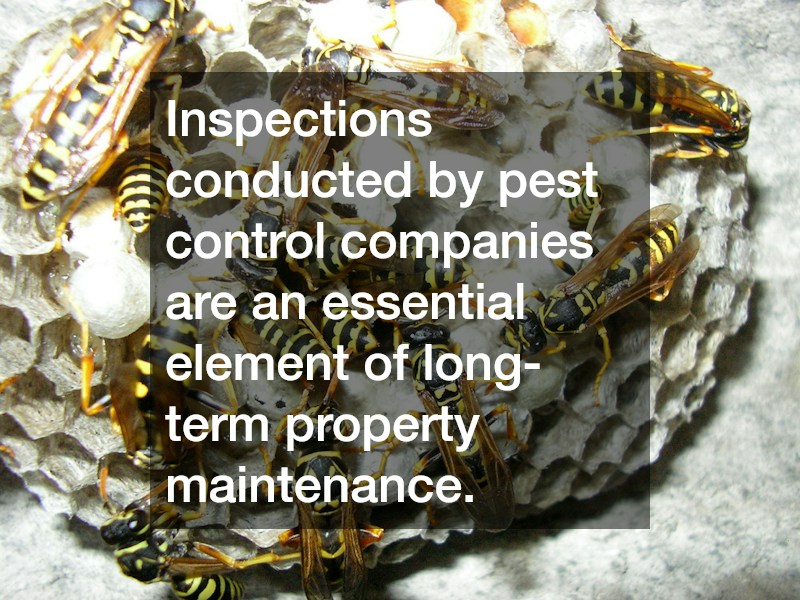
Comprehensive home health inspections conducted by professional pest control companies in Sarasota, FL are an essential element of long-term property maintenance. By combining detailed entry-point mapping, advanced thermal and moisture diagnostics, region-specific strategies, and safety-focused Integrated Pest Management, these inspections safeguard both the structural value of the building and the health of its occupants. Establishing a routine, proactive inspection plan ensures early detection, effective prevention, and long-term peace of mind.