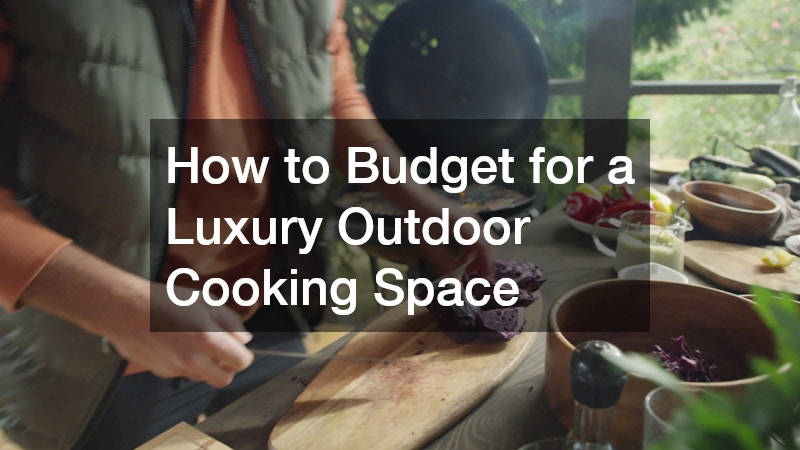
The transition from a standard backyard patio to a high-end culinary destination represents one of the most significant lifestyle upgrades a homeowner can pursue. Beyond the immediate joy of hosting summer gatherings, a professional-grade outdoor kitchen serves as a strategic extension of the home’s interior, effectively increasing the usable square footage of the property. However, the financial planning required for such a project is intricate. To achieve a luxury result that stands the test of time, one must look past the price tag of a premium grill and consider the comprehensive ecosystem of the build. A smart budget prioritizes the invisible costs—infrastructure, structural integrity, and material durability—to ensure the final product is as resilient as it is beautiful.
Establishing the Structural Foundation
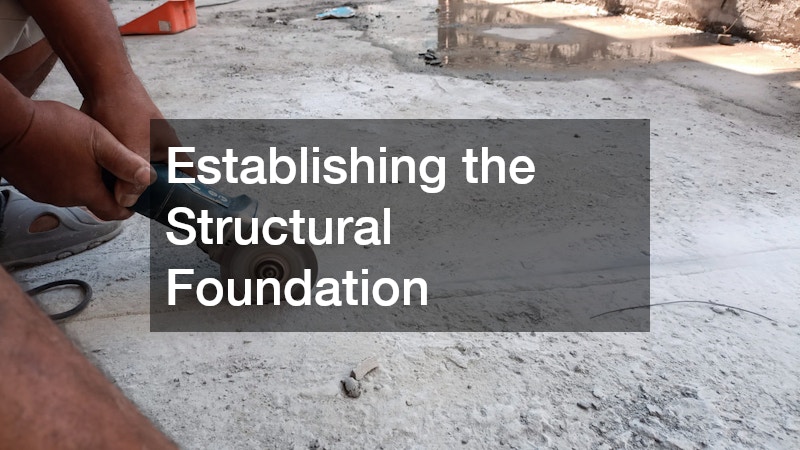
The most common mistake in outdoor kitchen planning is underestimating the sheer physical weight of the installation. A luxury kitchen island, often clad in heavy stone and topped with thick slabs, requires a foundation that far exceeds the specifications of a standard walking path. To protect your investment from shifting, tilting, or cracking during the freeze-thaw cycles of winter, it is essential to enlist the services of professional concrete contractors. These specialists ensure that the sub-base is excavated to the proper depth and reinforced with the necessary internal supports to hold the static load of your appliances for decades. Without a reinforced slab, the subtle shifting of the earth can cause masonry joints to pop and expensive gas lines to strain, leading to costly repairs that far outweigh the initial savings of a cheaper foundation.
Once the structural slab is secured, the visual foundation of the space comes into play. The flooring of your outdoor kitchen must be non-slip, heat-resistant, and aesthetically integrated with the architecture of your home. Many homeowners find that the most successful projects involve working with experienced patio contractors who can source high-performance pavers or natural flagstone. These professionals are trained to manage the delicate pitch of the flooring, ensuring that water is directed away from the home’s foundation and the kitchen’s electrical components, which reduces long-term maintenance hurdles. A well-laid floor acts as the stage for your culinary theater, providing a level surface for heavy equipment while allowing for easy cleanup after a night of entertaining.
- Geotechnical Assessment: Evaluating soil density to ensure it can support the weight of masonry.
- Sub-Base Integrity: Using crushed stone and gravel layers to provide a drainage-friendly support system.
- Vapor Barriers: Implementing protection to prevent ground moisture from seeping up through the concrete.
- Thermal Expansion Joints: Designing the layout to allow materials to expand and contract without fracturing.
- Edge Restraints: Ensuring pavers or stones remain locked in place despite heavy foot traffic.
Engineering the Infrastructure and Landscape Harmony
A luxury cooking space is essentially a house without walls, meaning it requires the same robust utility connections as your primary kitchen. Burying gas lines, water pipes, and electrical conduits requires precision and a deep understanding of local building codes. Often, the best way to handle this phase is through comprehensive hardscaping services that can marry the utility requirements with the decorative masonry of the yard. By integrating the plumbing and wiring into the stone walls and terracing, you maintain a clean, high-end profile that avoids the cluttered look of exposed pipes or surface-mounted conduits. This integration also allows for the inclusion of technical luxuries like task lighting, warming drawers, and high-speed internet hubs for outdoor entertainment.
The environment surrounding your kitchen also dictates a significant portion of your safety and maintenance budget. If your backyard is lush with greenery, you must consider the vertical space above your cooking zone. Strategic tree care is a vital budget line item to ensure that overhanging branches do not drop debris into your grill or, worse, create a fire hazard during high-heat cooking. A professional arborist can thin the canopy to allow for better airflow and light, ensuring that your kitchen remains a bright, safe environment for guests while protecting the health of your property’s natural assets. Furthermore, proper tree management prevents sap from falling on stainless steel finishes, which can be remarkably difficult to remove without damaging the grain of the metal.
- Utility Trenching: Safely routing gas, water, and electricity below the frost line.
- GFI Circuitry: Ensuring all electrical outlets are moisture-resistant and safety-compliant.
- Zoned Lighting: Budgeting for task, ambient, and accent lighting to define different zones.
- Ventilation Hoods: Planning for airflow if the kitchen is located under a pavilion or roof structure.
- Irrigation Rerouting: Moving existing sprinkler heads to prevent water from spraying the cooking area.
Selecting Premium Surfaces and Performance Cabinetry
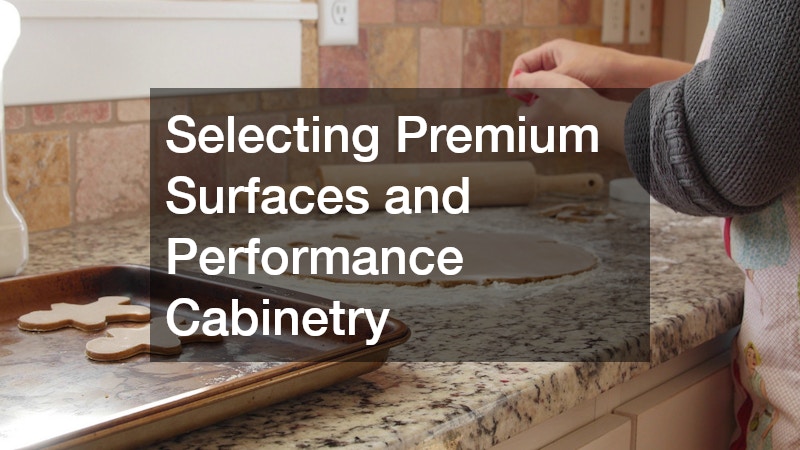
In a high-end outdoor kitchen, the materials must work twice as hard as they do indoors because they are constantly battling the elements. For the primary work surfaces, the choice of stone is the most impactful decision for both aesthetics and durability. Many designers recommend granite countertops because they offer an almost indestructible surface that resists staining, scratching, and fading from intense ultraviolet exposure. Unlike manufactured quartz or tile, a solid natural stone slab provides a timeless look that requires minimal maintenance beyond seasonal sealing, making it a wise choice for the long-term value of the home. The high density of the stone also means it won’t absorb food odors or harbor bacteria, which is crucial for an area that may be exposed to wildlife between uses.
Underneath those beautiful countertops, the storage solutions must be equally rugged. Standard wooden cabinetry will succumb to moisture and pests within a very short timeframe. To solve this, the smart resident will reach out to local cabinet companies that specialize in outdoor-rated materials like marine-grade polymers or powder-coated stainless steel. These specialized units are designed with gaskets and weather-stripping to keep your cooking tools, spices, and cleaning supplies dry even during heavy rainstorms, providing the same level of organization you enjoy inside your home. Investing in quality cabinetry also prevents the “hollow” sound often associated with cheaper metal inserts, contributing to the overall feel of a high-end permanent installation.
- Slab Thickness: Opting for thicker stone profiles to enhance the visual weight and luxury feel.
- Edge Profiles: Selecting bullnose or eased edges to prevent chipping in high-traffic zones.
- Internal Organization: Budgeting for pull-out racks, utensil drawers, and built-in trash centers.
- Hardware Quality: Ensuring all hinges and handles are 304 or 316-grade stainless steel.
- Integrated Toe Kicks: Designing cabinets with easy-to-clean bases that resist dirt buildup.
Curating the Social Environment
A luxury kitchen is more than a place to prepare food; it is a venue for social connection. When budgeting for the “soft” side of the project, homeowners should prioritize comfort to ensure the space is actually utilized. This involves selecting designer outdoor furniture that mirrors the quality and comfort of an indoor living room. High-performance fabrics and ergonomic designs transform the kitchen from a functional utility into a true destination where guests will want to spend hours, justifying the overall investment in the build. Without comfortable seating, the kitchen remains a place where the chef works while the guests stay inside—defeating the purpose of an outdoor lifestyle.
To extend the usability of the space into the evening and through the colder months, the ambiance must be carefully curated. A popular and effective way to achieve this is by incorporating an outdoor firepit near the dining area. This provides a natural gathering point for guests after the meal is served and adds a layer of warmth and light that a grill alone cannot provide. When designed as part of the initial kitchen layout, these fire features can often share utility lines, allowing for a more streamlined and cost-effective installation than adding them as an afterthought years later. A fire element also creates a focal point that keeps the backyard feeling “active” even when the kitchen is not in use.
- Dining Versatility: Choosing tables that can accommodate both intimate family meals and large parties.
- Shade Solutions: Budgeting for cantilever umbrellas or motorized pergolas to manage heat.
- Acoustic Design: Placing speakers strategically to provide background music without disturbing neighbors.
- All-Weather Textiles: Investing in pillows and rugs that resist mildew and UV bleaching.
- Focal Point Transitions: Ensuring the fire area is close enough for warmth but far enough for safe traffic flow.
Preservation and Preventative Maintenance
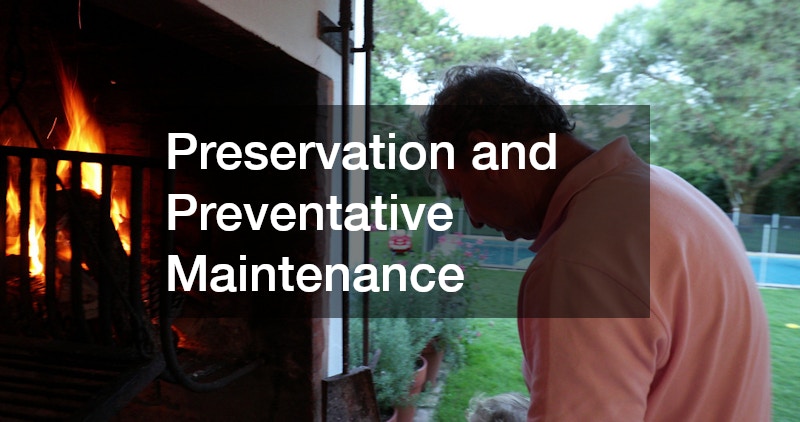
The final stage of a luxury budget involves planning for the preservation of the assets you have just installed. Because an outdoor kitchen is an open invitation to local wildlife, hygiene becomes a primary concern. Investing in a consistent plan for pest control ensures that your prep areas remain sanitary and that rodents do not build nests inside the warm motors of your expensive refrigerators or grills. Keeping the perimeter of the kitchen treated is a simple step that prevents thousands of dollars in potential damage to the internal wiring and components of your appliances. Furthermore, regular inspections can identify potential issues with wood-boring insects if your kitchen features timber accents or roofing.
Finally, the aesthetic integrity of the entire backyard relies on the condition of the surrounding hard surfaces. The paths and driveways that lead your guests to the kitchen are the first things they see, and they should reflect the same quality as the kitchen itself. Routine sealcoating of these surfaces prevents water from penetrating the base layers and protects against the oil or grease stains that are common in a cooking environment. By maintaining the frame around your kitchen, you ensure that the entire estate continues to project an image of luxury and careful stewardship. This “top-down” maintenance approach ensures that your home’s curb appeal matches the high-end experience waiting in the backyard.
- Protective Covers: Purchasing custom-fitted, breathable covers for all appliances.
- Stone Sealing: Budgeting for professional-grade sealants to keep countertops stain-free.
- Winterization: Ensuring lines are blown out and components are prepped for freezing temperatures.
- Stainless Steel Polishing: Using specialized cleaners to prevent “tea staining” or surface rust.
- Security Integration: Including cameras or motion lighting to protect your high-value equipment.
Maximizing ROI Through Quality Craftsmanship
When budgeting for a project of this magnitude, it is easy to get lost in the initial costs. However, the “Smart Resident” knows that value is calculated over the life of the home. A luxury outdoor kitchen can return a significant percentage of its cost at resale, but only if the craftsmanship is impeccable. Buyers are deterred by outdoor kitchens that look “tacked on” or show signs of weather degradation. By investing in the foundation, the infrastructure, and high-performance materials from the start, you create an asset that appreciates rather than depreciates. This long-term perspective shifts the focus from “how much does this cost today” to “how much value does this preserve for tomorrow.”
A luxury kitchen is a complex machine where gas, water, and fire must coexist safely within a structural frame. When you hire master masons and certified installers, you are paying for the peace of mind that the stone veneer won’t delaminate and the drainage will never fail. This perceived quality often justifies a higher asking price, as the buyer recognizes they are inheriting a finished masterpiece rather than a future renovation project. The most expensive outdoor kitchen is the one that has to be rebuilt after five years. By choosing permanent materials like stone and stainless steel, and by hiring licensed professionals for the technical trades, you ensure that your backyard sanctuary remains a source of pride rather than a source of stress.
Securing the Future of Your Outdoor Space
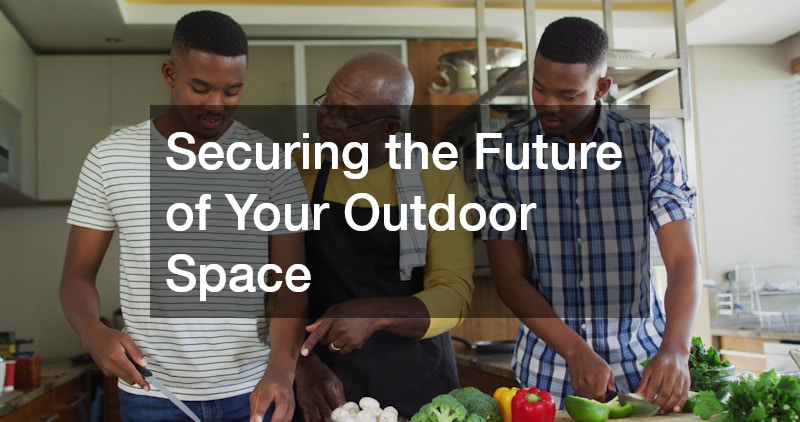
Building a luxury outdoor kitchen is a significant investment that pays dividends in both personal fulfillment and long-term home equity. By moving beyond a simple surface-level view of costs and focusing on the structural and material requirements of a high-end build, you can create a space that stands as the crown jewel of your property. A smart budget recognizes that quality labor and durable materials are the true foundation of luxury. When you invest in the right professionals and the most resilient surfaces, your outdoor kitchen ceases to be a seasonal novelty and becomes a permanent, sophisticated heartbeat of the home, ready to host generations of memories under the open sky.