A well-planned outdoor space can completely change how a property feels and functions. Whether it’s a residential yard or a commercial setting, thoughtful landscape design brings structure, balance, and purpose to areas that might otherwise go unused. It blends natural elements with practical features to create spaces that are not only attractive but also enjoyable to spend time in.
Good landscape design is more than planting flowers or laying down sod. It’s about shaping an environment that fits how people live, move, and relax outdoors.
When done well, it adds long-term value and turns ordinary spaces into extensions of the home or business.
What Landscape Design Really Involves
Landscape design is the process of planning and arranging outdoor spaces in a way that combines beauty and function. It often includes elements like plant selection, walkways, lighting, patios, water features, and grading. Each part works together to create a cohesive layout.
Designers take into account the natural features of a property, such as sunlight, soil conditions, and drainage. They also consider how the space will be used. For example, a backyard meant for entertaining will look very different from one designed for quiet relaxation or gardening.
The goal is to create a space that feels natural while still being intentional and easy to use.
Why Thoughtful Design Matters
Without a clear plan, outdoor spaces can feel disjointed or underused. Plants may be placed randomly, walkways might not flow well, and maintenance can become more difficult than it needs to be.
Landscape design helps avoid those issues by creating structure from the beginning. It ensures that every element has a purpose and fits into the larger picture. This makes the space more enjoyable and often easier to maintain over time.
It also helps prevent common problems like poor drainage, overcrowded planting areas, or wasted space.
Blending Function With Aesthetics
One of the strengths of landscape design is its ability to balance appearance with practicality. A space can look beautiful while still serving everyday needs.
For example, shaded seating areas can provide relief during hot weather, while pathways help guide movement through a yard without damaging grass or plants. Retaining walls can add visual interest while also managing changes in elevation.
Lighting is another important element. It can highlight key features of a landscape while also improving safety and usability in the evening hours.
When these features are thoughtfully combined, the result is a space that feels both inviting and useful.
The Importance of Planning Ahead
Successful landscape design always starts with a plan. This usually involves mapping out the property and deciding how each area will be used. Designers often consider future growth as well, especially when working with trees and shrubs that will change over time.
Planning ahead helps avoid costly changes later. It also ensures that plants have enough space to grow and that structures are placed in appropriate locations.
A strong design plan also takes maintenance into account. Choosing the right plants and materials can reduce long-term upkeep and keep the space looking its best with less effort.
Creating Outdoor Living Spaces
Modern landscape design often focuses on extending living space outdoors. Patios, outdoor kitchens, fire pits, and seating areas are becoming more common in both residential and commercial properties.
These spaces encourage people to spend more time outside, whether it’s for entertaining guests, relaxing after work, or enjoying time with family. When integrated properly, they feel like a natural extension of the indoor environment.
Comfort, flow, and accessibility all play a role in how successful these areas become. A well-designed outdoor living space can quickly become one of the most used parts of a property.
The Role of Plants in Landscape Design
Plants are at the heart of any landscape design. They bring color, texture, and life to outdoor spaces. But their placement is just as important as their appearance.
Different plants serve different purposes. Some provide shade, others offer privacy, and some are chosen purely for visual appeal. Seasonal changes are also considered so the landscape remains attractive throughout the year.
A balanced design often includes a mix of trees, shrubs, perennials, and ground cover. This layering effect adds depth and helps create a more natural look.
Long-Term Value of Professional Design
Investing in landscape design can increase property value and improve overall enjoyment of a space. Well-designed outdoor areas are often more appealing to potential buyers and can make a strong first impression.
Beyond financial value, there’s also the everyday benefit of having a space that feels comfortable and easy to use. It can turn a simple yard into a place for gathering, relaxing, or spending time outdoors.
Bringing It All Together
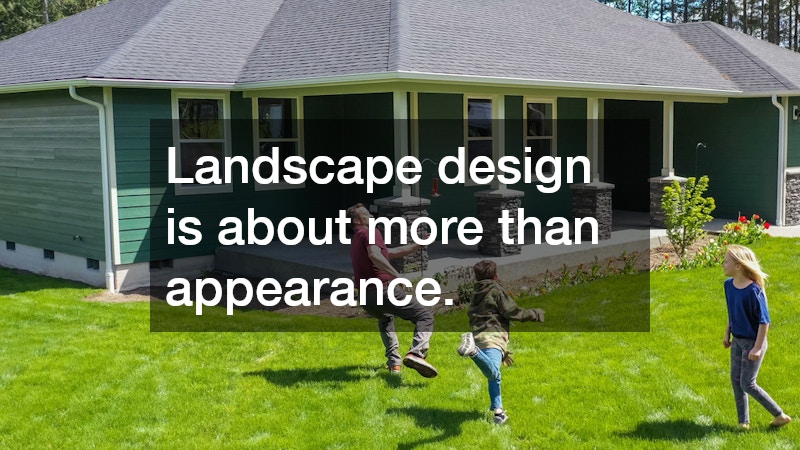
Landscape design is about more than appearance. It’s about creating outdoor spaces that work for the people who use them. From layout and structure to planting and lighting, every detail plays a role in shaping the final result.
When done thoughtfully, it brings harmony between nature and function, turning outdoor areas into spaces that feel complete, practical, and welcoming year-round.