This article delves into the various kinds of insulation materials available, their applications, and benefits. By understanding the primary types of insulation, homeowners and builders can make informed decisions for energy efficiency and comfort.
What are the main types of insulation materials used in home construction?
Exploring Fiberglass, Foam, Cellulose, and Radiant Barriers
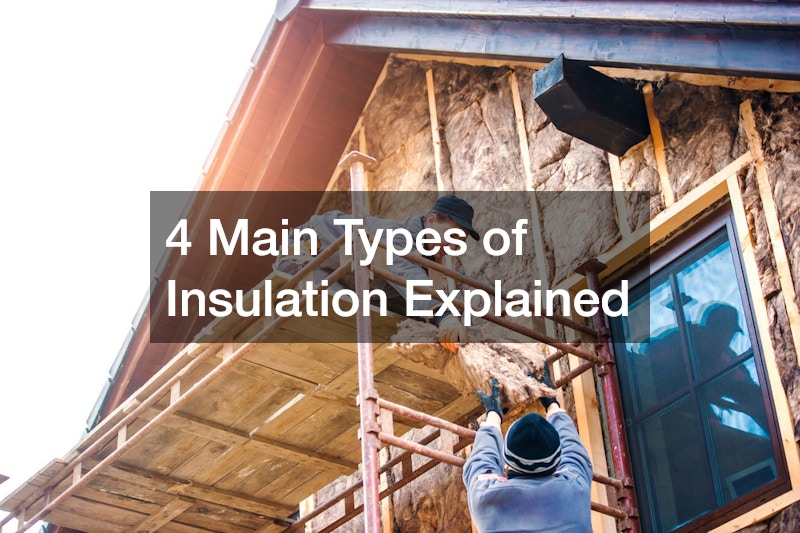
As experienced insulation contractors, we’ve found that home insulation materials play a crucial role in ensuring energy efficiency and maintaining indoor temperature. The four main types of insulation used in home construction include fiberglass, foam, cellulose, and radiant barriers.
Each material has distinct properties that make it suitable for different applications. Fiberglass, for example, is popular due to its affordability and effective thermal regulation. Understanding these materials helps in selecting the most appropriate type for specific areas of a home.
Foam insulation, available in spray or rigid forms, provides excellent air-sealing abilities. It can expand upon application, filling small gaps and cracks that other insulation types might miss. This characteristic is particularly beneficial in older homes where air leakage might be a problem. Foam insulation’s moisture barrier properties also add to its energy-saving potential. Moreover, foam’s higher R-value contributes to superior insulation performance.
Cellulose insulation is primarily made from recycled paper products, offering an eco-friendly choice. Its dense composition provides significant resistance to airflow, making it an efficient insulator. Being treated with fire-retardant chemicals also adds a safety feature to its advantages. Radiant barriers, on the other hand, are reflective materials that prevent heat transfer. By installing radiant barriers, particularly in attics, homeowners can deflect heat away from living spaces, enhancing energy conservation during hot weather.
How does insulation impact energy efficiency and cost savings?
Quantifying Energy Economies with Different Insulation Materials
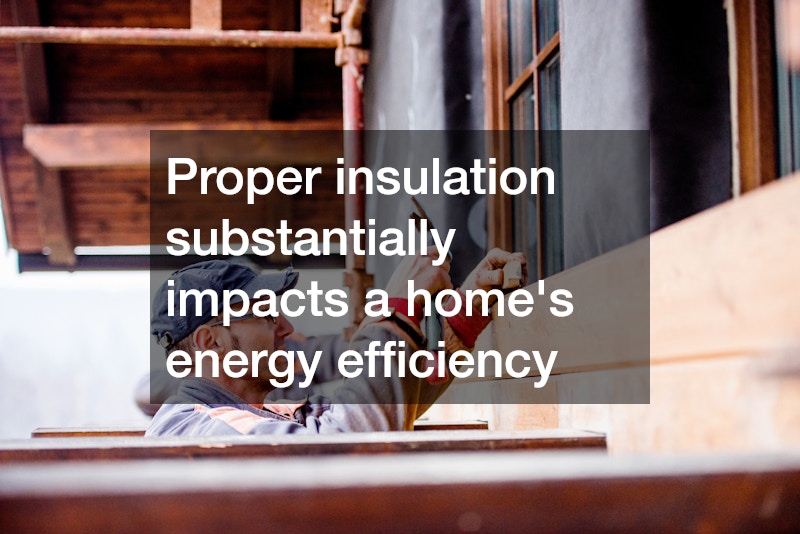
Proper insulation substantially impacts a home’s energy efficiency by reducing the amount of energy required for heating and cooling. The type of insulation used affects the overall thermal resistance, indicated by the R-value, which measures the material’s effectiveness in resisting heat flow. By installing high-quality insulation, homeowners can experience significant cost savings on their energy bills. For instance, the initial investment in spray foam insulation can be offset by its high performance, leading to reduced heating and cooling costs over time.
The effectiveness of insulation in saving energy also depends on proper installation. Gaps, compression, or misplacement can undermine the material’s efficiency. Ensuring that insulation is correctly installed can maximize its protective benefits. Additionally, insulation acts as a sound barrier, improving indoor comfort beyond just temperature regulation. This dual functionality adds value by enhancing the overall living experience.
Different insulation materials have varied capabilities in terms of energy retention and savings. For instance, radiant barriers are known for their ability to reduce cooling costs significantly by reflecting radiant heat away from the home. While fiberglass might be less expensive initially, foam insulation can offer a better return on investment in terms of energy savings. Insulating attics, walls, and basements effectively can lead to substantial reductions in energy consumption, contributing to environmental conservation.
Which type of insulation is best suited for different parts of a house?
Insulation Requirements for Walls, Attics, and Basements
The choice of insulation material often depends on the specific needs and characteristics of different parts of a house. For walls, fiberglass batts are widely used due to their ease of installation and cost-effectiveness. They fit snugly between wall studs, providing good insulation. Spray foam, however, is preferred in areas with irregular shapes or where air sealing is a priority. This is especially relevant in basements where moisture control is crucial.
Attics benefit significantly from loose-fill insulation like cellulose or fiberglass. These materials cover large areas evenly and provide effective thermal protection. Radiant barriers are also particularly beneficial in attics to reflect radiant heat during summer months, enhancing the performance of existing insulation. For optimal results, a combination of radiant barriers and traditional insulation materials can be used. This layering approach maximizes energy efficiency across different seasons.
Basements and crawl spaces often require insulation materials that prevent moisture intrusion while providing thermal resistance. Foam boards or spray foam are popular choices because of their excellent moisture barrier capabilities. These materials help maintain consistent indoor temperatures and prevent moisture-related issues. Properly insulating these areas not only enhances comfort but also protects the home from mold and dampness. Therefore, choosing the right type of insulation for each part of a house is essential for comprehensive energy efficiency.
By understanding the distinct characteristics and uses of each type of insulation, individuals can enhance their living spaces’ energy efficiency and comfort. Selecting the right insulation material for walls, attics, and basements ensures optimal performance and long-term energy savings. Homeowners who invest in quality insulation not only enjoy greater comfort but also contribute to sustainable environmental practices by reducing their energy consumption.