Explore the essential certifications required for excavation contractors to ensure safe and compliant operations. This article delves into the various qualifications and standards aimed at maintaining high safety and operational efficiency within the industry.
1. What is the Importance of OSHA Certification?
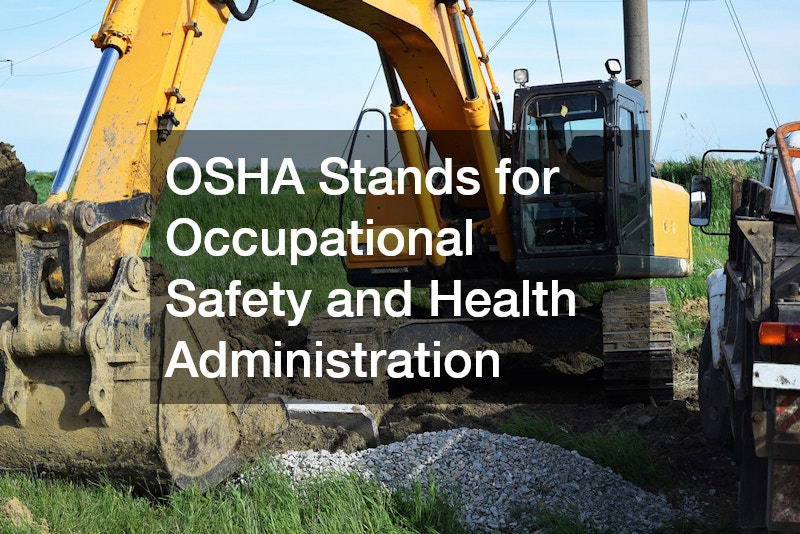
Safety is paramount in the excavation sector, and that’s where the Occupational Safety and Health Administration (OSHA) certification comes into play. OSHA standards are designed to keep workers safe and reduce workplace hazards in the excavation industry.
This certification ensures that all personnel are knowledgeable about safety protocols and equipped to handle unexpected situations. For excavation contractors, understanding these standards is crucial to maintaining operational efficiency and minimizing risks at each job site. Consequently, OSHA certification not only protects workers but also enhances the reputation of the contractor.
OSHA certification is crucial for reducing liability and ensuring compliance with federal safety guidelines. Excavation sites present numerous inherent risks, including cave-ins and equipment accidents, making the knowledge gained from OSHA training indispensable. By adhering to OSHA regulations, contractors can significantly decrease the incidence of workplace injuries. Moreover, having OSHA-certified employees allows contractors to take on larger projects with increased confidence and assurance of safety. Ultimately, a commitment to OSHA standards reflects a contractor’s dedication to safety and responsibility.
Maintaining OSHA certification involves continuous learning through available training programs. Contractors must stay updated on changing regulations and safety practices, which often means attending workshops and courses regularly. The renewal process for OSHA certification emphasizes staying current with industry standards, ultimately contributing to a safer work environment. Moreover, these programs improve a company’s competitive edge by showcasing a commitment to the welfare of employees. Continuous education and recertification are vital for making sure that safety measures evolve parallel to technological and procedural advancements in the industry.
2. What Are the Key Requirements for Heavy Equipment Operation Certification?
Proficiency in operating heavy equipment is indispensable for excavation contractors, making equipment operation certification vital. This qualification ensures operators have the skills and expertise needed to manage complex machinery safely and effectively. It involves a rigorous process where operators undergo training to gain comprehensive knowledge about various equipment types and functionalities. Certification also includes practical, hands-on evaluations where operators demonstrate their skill sets under real-world conditions. This process confirms their competency in handling machinery, thereby reducing the likelihood of accidents and enhancing project outcomes.
Heavy equipment operation certification also plays a significant role in job placement and career advancement. Contractors actively seek certified operators due to their demonstrated ability to manage equipment safely, leading to more efficient worksite operations. With this certification, operators position themselves as valuable assets to potential employers, enhancing their employability and career prospects. Moreover, certified operators contribute to the overall efficacy and timeliness of excavation projects, which is often a crucial factor in contract awards. These certifications function as endorsements of an operator’s skills, ensuring high industry standards are met.
The certification process also includes an ongoing requirement for renewal and further education, ensuring operators remain updated with the latest in machinery and safety standards. This continuous learning promotes not only personal growth but also industry-wide advancements in operating protocols and technologies. Through periodic assessments and updates, certified operators adapt to new equipment models and emerging technological innovations in the field. This commitment to ongoing education ensures that safety and productivity are consistently prioritized. Contractors benefit from this as well, as well-informed operators are key to maintaining an accident-free work environment.
3. What Is the Role of Confined Space Certification?
Working in confined spaces introduces unique risks, which necessitates specific training and certification for safety. Confined space certification is vital for excavation contractors who frequently encounter trenches or other restrictive environments. This qualification covers essential safety procedures, hazard recognition, and emergency response skills specific to working in confined spaces. By gaining this certification, employees are equipped to identify and mitigate risks associated with limited-entry jobs. This proactive approach minimizes the potential for accidents and ensures all team members can perform their duties safely.
The certification requirements for confined space entry include a comprehensive understanding of legal standards and safety protocols. Contractors are held accountable for ensuring that all workers entering confined spaces are adequately trained and certified. Legal obligations enforce that all precautions are in place to protect employees, thereby reducing potential liabilities. Additionally, maintaining records and documentation of these certifications can be crucial in the event of an inspection or incident investigation. By aligning with these regulations, contractors not only protect their workforce but also cement their standing as responsible industry leaders.
Training procedures often include practical exercises and drills, preparing workers to handle various scenarios that may arise in confined spaces. These training sessions involve simulations of potential emergencies, fostering preparedness and quick response habits among personnel. The protocols developed through certification programs significantly contribute to reducing incidents and enhancing worksite safety. Moreover, workers gain a deeper understanding of the psychological and physical challenges faced in confined spaces, enabling them to manage stress and maintain proficiency during operations. These best practices pave the way for safer construction processes across the board.
4. How Does First Aid and CPR Certification Benefit Excavation Contractors?
The importance of emergency preparedness on a job site cannot be overstated, underscoring the need for First Aid and CPR certification for contractors. This certification equips workers with the skills necessary to respond swiftly and effectively to medical emergencies. Having trained personnel on the team significantly improves the chances of favorable outcomes when incidents occur. Furthermore, providing immediate aid can help stabilize injuries until professional medical assistance arrives. In high-risk environments like excavation sites, such preparedness is not just beneficial but can be life-saving.
First Aid and CPR certification courses cover a range of medical scenarios relevant to the field of excavation. Participants learn how to address injuries common in construction environments, from fractures to cardiac events. This training underscores the importance of integrating emergency response strategies into everyday work processes. Through scenarios and practiced skills, workers become adept at handling medical emergencies, enhancing safety protocols across sites. Moreover, the psychological benefit of knowing that competent help is available can ease stress for all employees involved.
Offering on-site medical training sessions ensures that workers are prepared for emergencies and reinforces best practices across all team members. This hands-on approach, coupled with regular drills, ensures a swift organizational response when incidents arise. Additionally, crisis management and structured responses help reduce downtime and improve recovery outcomes. Employees trained in First Aid contribute to a culture of safety, fostering a proactive environment ready to address potential hazards. For contractors, this translates into reduced liability, enhanced reputation, and a demonstrated commitment to workforce wellbeing.
5. Why Is Environmental Protection Certification Crucial for Excavation Contractors?
Environmental protection certification is an increasingly significant aspect of the excavation industry, reflecting a growing commitment to sustainable practices. Regulations and standards mandate that contractors engage in environmentally responsible operations, placing an emphasis on conservation and reducing ecological footprints. This certification ensures that contractors understand and comply with environmental laws, often involving training in sustainable techniques and impact mitigation strategies. As environmental concerns become more pronounced globally, such certifications are pivotal for demonstrating industry leadership and responsibility. Contractors with this certification contribute positively to their community and the broader planet.
Environmental impact assessments form a key component of environmental protection certification, helping contractors understand the potential ecological effects of their work. Through these assessments, contractors identify areas where they can minimize harm and implement corrective measures. This process involves detailed examination and planning to protect local ecosystems, align with environmental laws, and address public concerns. Effective assessments lead to informed decision-making, promoting sustainable land use and reducing negative impacts. Consequently, contractors not only fulfill their ethical duties but also enhance their project appeal and marketability.
Sustainable practices are a cornerstone of environmental protection certification, encouraging the adoption of greener technologies and waste management solutions. Training programs introduce contractors to innovative methods that reduce emissions and promote resource efficiency. Incorporating waste management strategies such as recycling and responsible disposal into project planning ensures environmental standards are maintained. By championing these sustainable initiatives, excavation contractors not only fulfill regulatory compliance but also enhance their brand credibility. Embracing green construction practices positions contractors at the forefront of industry advancements, aligning them with future-focused clients and projects.
Professional certifications are critical for excavation contractors, ensuring adherence to safety standards and promoting environmental responsibility. Staying abreast of relevant certifications not only protects the workforce but also bolsters the integrity and reputation of contractors within the industry. Embracing these certifications positions contractors to effectively tackle the complexities of modern excavation work while maintaining a strong focus on safety and sustainability.