Developing an apartment complex is a multi-stage effort that requires careful coordination, technical expertise, and long-term planning. From the first idea to welcoming residents, every phase builds on the one before it. Working with an experienced apartment builder helps keep each step organized, compliant, and aligned with the project’s overall vision. Understanding how the process works from start to finish can help investors, property owners, and developers make informed decisions along the way.
Early Planning and Concept Development
The apartment building process begins long before any construction equipment arrives on site. This stage focuses on defining the project’s purpose, size, and scope.
Developers typically evaluate the target market, unit mix, amenities, and overall design goals. Location analysis plays a major role, as zoning laws, neighborhood needs, and local demand all influence the final plan.
Key elements of this phase often include:
-
Market research and feasibility studies
-
Budget forecasting and funding strategies
-
Preliminary site evaluation
-
Initial design concepts
Clear planning at this stage helps reduce delays and cost overruns later in the project.
Site Selection and Zoning Review
Once the concept is established, attention shifts to securing the right property. The selected site must meet zoning requirements for multi-family housing and support access to utilities, transportation, and community services. In some cases, rezoning or variances may be required, which can add time to the approval process.
Developers often work closely with local planning departments to ensure compliance with land use regulations, environmental standards, and building codes. Addressing these requirements early helps prevent unexpected obstacles during construction.
Design and Architectural Development
With the site secured, architects and engineers begin transforming ideas into detailed plans. This phase balances aesthetics, functionality, and efficiency. Floor plans, structural systems, and mechanical layouts are refined to meet building codes while maximizing usable space.
Design considerations often focus on:
-
Unit layouts and square footage
-
Energy efficiency and sustainability features
-
Accessibility and safety standards
-
Common areas and amenities
During this phase, collaboration between designers and the apartment builder ensures the plans are practical, cost-effective, and achievable within the project timeline.
Permitting and Pre-Construction Preparation
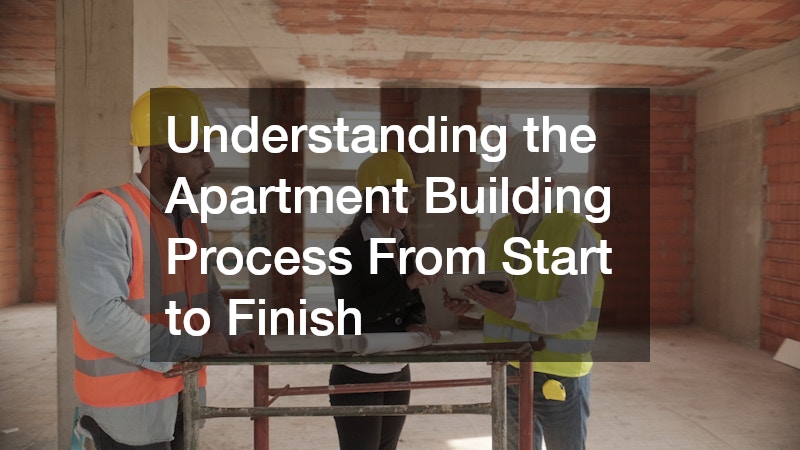
Before construction can begin, the project must receive permits and approvals from local authorities. This process verifies that the design meets all regulatory requirements, including fire safety, environmental impact, and structural integrity.
At the same time, pre-construction planning takes place. This includes finalizing schedules, securing subcontractors, ordering materials, and establishing site logistics. Thorough preparation during this stage helps streamline construction and reduces the risk of delays once work begins.
Construction and Project Management
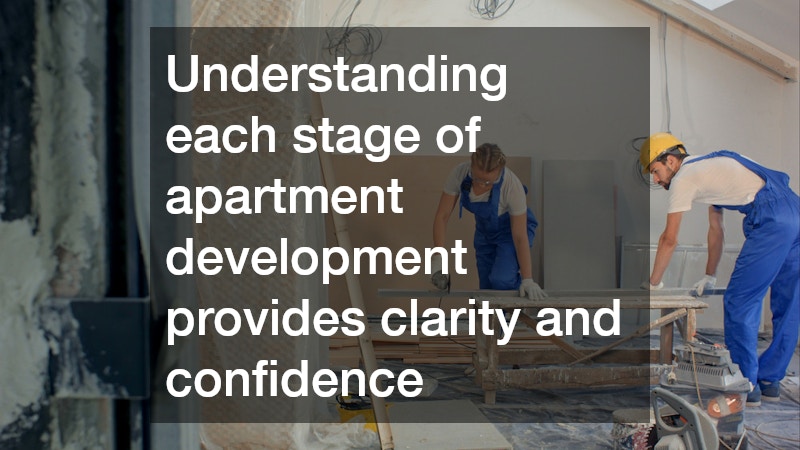
The construction phase is where plans turn into reality. Site preparation begins with grading, excavation, and foundation work. From there, framing, roofing, and exterior finishes are completed, followed by interior systems such as plumbing, electrical, and HVAC.
Effective project management is essential during this stage. A skilled apartment builder coordinates multiple trades, monitors progress, and ensures work meets quality standards. Regular inspections and communication keep the project on track and address issues before they escalate.
Construction typically progresses in phases, including:
-
Structural development
-
Building envelope completion
-
Interior build-out
-
Final finishes and detailing
Each phase must be completed in the correct order to maintain safety and efficiency.
Inspections and Quality Assurance
As construction advances, inspections are conducted to confirm compliance with codes and approved plans. These checks occur at various milestones, such as after framing, electrical installation, and final completion.
Quality assurance also plays a critical role. Attention to detail ensures that materials are installed correctly, systems function properly, and living spaces meet expectations for durability and comfort. Addressing issues promptly during inspections helps avoid costly repairs after occupancy.
Final Walkthrough and Occupancy
Once construction is complete, a final walkthrough is conducted to identify any remaining issues. This stage often includes punch list items such as minor repairs, adjustments, or cosmetic touch-ups. After these items are resolved, the project receives a certificate of occupancy.
With approvals in place, the building is ready for residents. Property management teams may begin marketing units, coordinating move-ins, and maintaining common areas. A smooth transition into occupancy reflects the quality of planning and execution throughout the project.
Long-Term Value and Maintenance Considerations
The apartment building process does not truly end when residents move in. Ongoing maintenance, warranties, and performance monitoring help protect the investment over time. Thoughtful construction choices made earlier in the project can reduce long-term operating costs and improve tenant satisfaction.
Choosing a knowledgeable apartment builder contributes to long-term success by delivering a structure designed for durability, efficiency, and ease of maintenance. When the process is managed from start to finish with care, the result is a well-built community that meets both financial and lifestyle goals. Understanding each stage of apartment development provides clarity and confidence for anyone involved in the process. From planning and design to construction and occupancy, every step plays a role in creating a successful multi-family property.