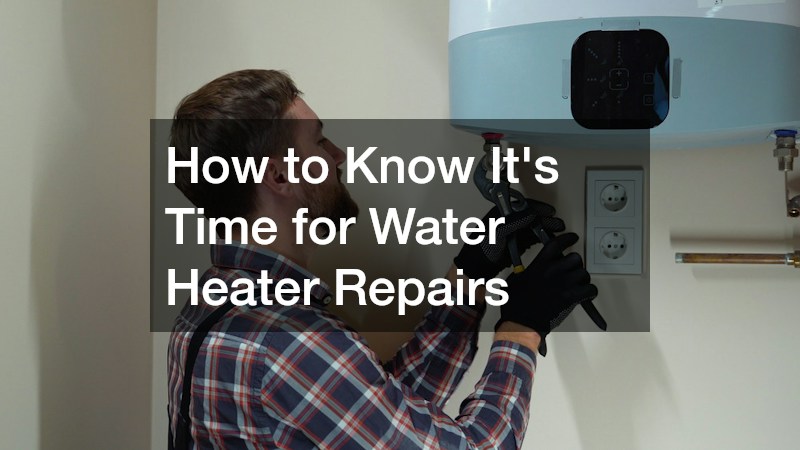
Understanding when to repair your water heater can save both time and money. In this article, we’ll explore the common signs and questions regarding water heater repairs.
What are the Common Signs that Your Water Heater Needs Repairs?
Identifying Unusual Noises and Colors
Water heaters, much like any other appliance, exhibit signs of wear and tear that necessitate repairs. One of the simplest indicators that your water heater needs attention is the presence of unusual noises.
These noises often resemble banging or rumbling, suggesting sediment build-up inside the tank. Such build-ups can lead to inefficiencies, requiring immediate water heater repairs. Additionally, discolored water, particularly with a rusty hue, can indicate potential corrosion inside the tank, which should never be ignored.
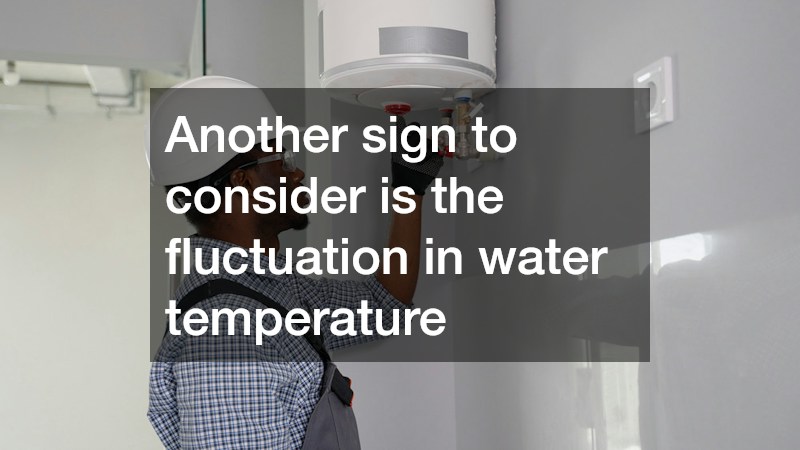
Another sign to consider is the fluctuation in water temperature. If you notice that your water supply is inconsistent, alternating between hot and cold or not heating at all, it might be a sign that the heating components need repair. Cloudy or smelly water can also be an indication of the need for attention. These signs not only affect performance but can eventually lead to water damage or increased utility bills. Consequently, being aware of these signs can prevent minor issues from escalating into significant problems requiring hefty water heater repairs.
Lastly, a noticeable decrease in the amount of hot water available is a clear indicator of a malfunctioning unit. This could be due to a worn-out heating element or issues within the thermostat. Moreover, if the heater is over the typical lifespan of 10-15 years, these problems might occur more frequently. Regular maintenance checks are essential to nip these issues in the bud. Routine observation and acknowledging these signals promptly can forestall extensive water heater repairs down the line.
How Do Water Heater Leaks Indicate Repair Needs?
Understanding Leak Locations and Their Implications
Water heater leaks are a common problem that can hint at underlying issues requiring prompt attention. The location of the leak plays a significant role in determining the severity and type of repair needed. Leaks from the top often result from loose connections or faulty pressure relief valves. Meanwhile, leaks from the bottom might indicate a compromised tank or internal parts like the drain valve. Understanding these signs can help in arriving at effective water heater repairs.
Leaks often manifest as visible moisture or pooling water around the base of the tank. While small leaks might not seem urgent, they can quickly escalate to significant water damage. Furthermore, leaks can increase water bills, contributing to unnecessary expenses. It’s crucial to address even minor leaks early by scheduling water heater repairs. Ignoring these warning signs can lead to a complete system failure and potential property damage.
Regular inspection of the water heater environment can prevent small leaks from worsening. It’s also advisable to check for any signs of rust or corrosion in and around the unit. If left unmanaged, these can weaken the tank’s integrity, resulting in more severe leaks. The expertise of a professional can pinpoint the problem’s exact location and suggest the required water heater repairs. By being proactive, you ensure the longevity and efficiency of the water heater system.
When Should You Call a Professional for Water Heater Repairs?
Determining DIY vs. Professional Repair Needs
Determining when to DIY or call a professional for water heater repairs is essential for maintaining safety and functionality. Simpler issues, like adjusting the thermostat or relighting a pilot light, can often be handled personally with the right instructions. However, certain complications require the breadth of knowledge and experience that professionals possess. For example, significant leaks, internal rust, or electrical concerns are best suited for expert intervention. Attempting these repairs without adequate expertise can jeopardize safety and further damage the unit.
The cost of neglecting professional repairs often outweighs the upfront expense of hiring experts. Professionals can diagnose subtle issues that might go unnoticed in a DIY attempt, ensuring a comprehensive resolution. They are also equipped to handle replacement parts and tackle extensive repairs that guarantee appliance longevity. Moreover, enlisting professional services could be necessary to comply with warranty requirements and avoid voiding potential benefits. These elements emphasize the importance of weighing the risks and benefits of DIY vs. professional water heater repairs.
Moreover, professional technicians are well-versed in the latest advances in water heater technology and repair methods. They can provide insightful advice on maintenance practices and recommend timely upgrades or replacements. This level of service ensures that your water heater performs optimally and efficiently throughout its lifespan. Understanding the limits of DIY and recognizing when to call for assistance can prevent mishaps and ensure that water heater repairs are conducted effectively. By utilizing professional services, homeowners can secure a more reliable and long-lasting heating solution.
Timely recognition and repair of water heater issues can prevent further damage and extend the life of your appliance. Stay informed and proactive in addressing signs of wear and tear. Regular maintenance checks and professional interventions when required can safeguard your water heater’s efficiency and performance. Observing indicators such as unusual noises, water discoloration, temperature inconsistencies, and leaks is crucial. Ultimately, a proactive approach to potential water heater repairs ensures functionality, safety, and peace of mind.