
Build Value Through Smarter Improvement Decisions
Home improvements can make a property more comfortable, attractive, and functional, but they can also play a major role in determining how well the home holds its value over time. The challenge is deciding which projects deserve attention first. Some upgrades create a strong visual impact but do little to protect the structure, while others may seem less exciting yet prevent expensive damage and make the property more appealing to future buyers.
The most valuable projects often share several qualities. They improve durability, reduce maintenance demands, increase energy efficiency, and strengthen curb appeal. These upgrades can make the home easier to live in today while also helping it stand out in a competitive real estate market. Buyers tend to notice signs of neglect quickly, especially when they involve major exterior systems or visible wear.
A thoughtful improvement plan should begin with the areas that protect the house from weather, moisture, and energy loss. From there, homeowners can focus on appearance, convenience, and ongoing maintenance. By completing projects in the right order and choosing durable materials, it becomes easier to avoid repeated repairs and protect the money invested in the property.
Start With the Most Critical Structural Upgrades

The roof should be one of the first areas evaluated when planning improvements. It protects nearly every other part of the house, including the attic, walls, ceilings, insulation, electrical systems, and personal belongings. Even a small leak can spread moisture into hidden spaces, where it may damage wood, encourage mold growth, and weaken structural materials before the problem becomes visible.
A professional roofing service can help identify worn shingles, loose flashing, damaged sealants, ventilation problems, and weak areas around chimneys or roof penetrations. Scheduling an inspection before visible leaks appear allows homeowners to address smaller defects before they become larger problems. It is especially important to inspect the roof after severe storms, high winds, fallen branches, or extended periods of heavy rain.
Homeowners should also pay attention to warning signs from inside the house. Water stains on ceilings, peeling paint, musty attic odors, unusually high indoor humidity, and sunlight entering through roof boards may indicate that repairs are needed. Outside, curling shingles, missing materials, sagging sections, granule buildup in gutters, and dark streaks can signal deterioration.
Repairs may be enough when the damage is limited to a small section and the remaining materials are still in good condition. However, roof replacement may be the more practical option when the system is near the end of its expected lifespan, leaks are occurring in several places, or repeated repairs are becoming expensive. A full upgrade may also allow the homeowner to improve underlayment, ventilation, flashing, and water protection at the same time.
When comparing options, homeowners should consider more than the immediate price. The age of the system, the extent of hidden damage, the quality of the existing installation, and the expected time in the home should all influence the decision. A properly completed project can reassure buyers, reduce the risk of inspection problems, and prevent negotiations from being weakened by a major unresolved concern.
Choose Qualified Professionals for Major Exterior Projects
Large exterior projects require careful planning and skilled workmanship. Even high-quality materials can fail early when they are installed incorrectly. Poor fastening, inadequate sealing, improper flashing, and weak moisture barriers may not cause immediate problems, but they can lead to leaks, rot, drafts, or premature material failure.
Before hiring a roofing contractor, homeowners should verify licensing requirements, liability coverage, workers’ compensation insurance, and local experience. They should ask how the company handles permits, cleanup, unexpected damage, and manufacturer requirements. A written estimate should clearly explain the materials, labor, project timeline, warranty terms, payment schedule, and responsibilities of both parties.
It is also useful to ask who will supervise the work and whether employees or subcontractors will complete the project. Homeowners should request recent references and review examples of similar work. Online reviews can provide useful context, but direct conversations with former customers may reveal more about communication, scheduling, cleanliness, and how the company responds when problems arise.
The same level of care is important when comparing siding contractors. Exterior wall systems must be installed with proper spacing, flashing, weather barriers, and ventilation details. Mistakes around windows, doors, corners, and roof intersections can allow water to enter behind the surface, where damage may remain hidden for years.
Homeowners should avoid choosing a professional based only on the lowest bid. A very low estimate may exclude necessary repairs, disposal fees, permits, preparation work, or quality materials. It may also reflect inadequate insurance or rushed labor. Comparing detailed proposals makes it easier to see whether each company is recommending the same scope of work.
Warranties should also be reviewed closely. A material warranty may not cover installation errors, while a workmanship warranty may have limits or maintenance requirements. All promises should be included in writing. Thorough documentation protects the homeowner and can become a useful selling point when future buyers ask about completed improvements.
Improve Water Management Around Your Home
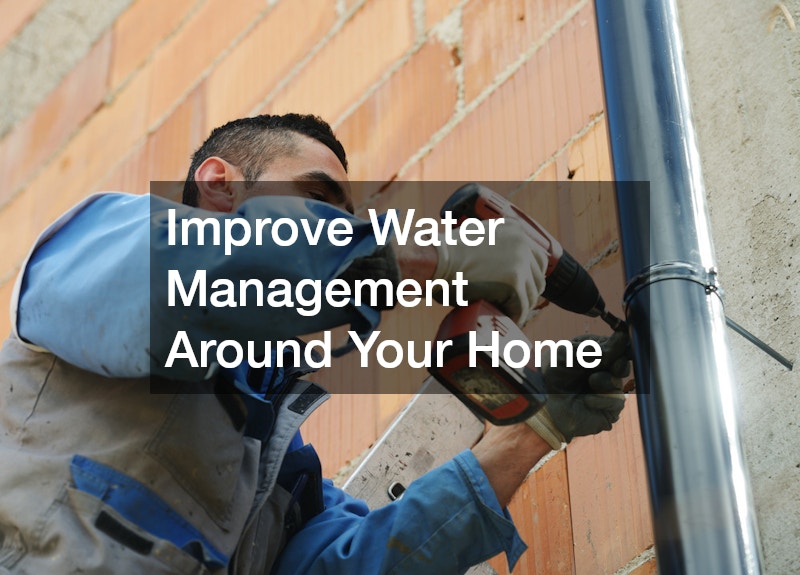
Water should move away from the house quickly and predictably. When drainage systems fail, rainwater can overflow near the foundation, soak landscaping, stain exterior walls, erode soil, and enter basements or crawl spaces. Over time, repeated moisture exposure may contribute to foundation movement, wood decay, insect activity, and indoor humidity problems.
Proper gutter installation begins with selecting the correct size and positioning the system at an effective slope. The number and placement of downspouts also matter. A system that is too small or poorly pitched may overflow during heavy rainfall even when it is clean. Downspouts should discharge far enough from the foundation to prevent water from collecting near the structure.
Homeowners should inspect drainage during or shortly after a storm. Overflowing sections, water running behind the troughs, dripping joints, sagging runs, and pools near the foundation are signs that improvements may be needed. Dark streaks on exterior surfaces can also indicate repeated overflow. If soil has washed away beneath a discharge point, extensions or underground drainage may be necessary.
A gutter guard can reduce the amount of leaves, twigs, and debris entering the system. This can be especially helpful for homes surrounded by mature trees. However, protective covers do not eliminate the need for maintenance. Fine particles, seeds, roof granules, and small organic matter may still collect over time, particularly near valleys and roof edges.
Homeowners should choose a protective system based on local tree types, roof design, rainfall, and maintenance preferences. Some covers are easier to remove and clean than others. The installation should not interfere with shingles or direct water past the edge during heavy rain.
Seasonal inspections remain important. Fasteners can loosen, joints may separate, and downspouts can become blocked. Cleaning and testing the system in spring and fall helps prevent small problems from growing. Effective drainage may not be the most visible upgrade, but it protects some of the most expensive parts of the property and can help preserve long-term value.
Increase Comfort While Lowering Energy Costs

Energy efficiency is increasingly important to homeowners and buyers. A house that stays more comfortable without excessive heating or cooling can be easier to maintain and less expensive to operate. One of the most effective ways to improve performance is to reduce unwanted heat transfer through attics, walls, floors, crawl spaces, and other areas connected to the building envelope.
Home insulation works by slowing the movement of heat. During winter, it helps retain warmth inside the living space. During summer, it reduces the amount of outside heat entering the home. When coverage is inadequate, uneven, compressed, damp, or poorly installed, rooms may feel drafty or difficult to keep at a consistent temperature.
The attic is often a priority because warm air rises and roof surfaces absorb significant heat. Homeowners should look for thin coverage, exposed framing, discolored materials, moisture, pest activity, and gaps around recessed lights, access panels, plumbing penetrations, or ductwork. Air sealing these gaps before adding new material can improve the final result.
In some homes, insulation removal should take place before additional material is installed. Removal may be necessary when existing materials are contaminated by mold, animal waste, smoke, water, or pests. It may also be appropriate when old materials are severely compressed, damaged, or blocking ventilation pathways.
Simply covering contaminated or wet material can trap odors and moisture. It may also make future repairs more difficult. Before removal begins, the source of the problem should be corrected. Roof leaks, plumbing issues, pest entry points, and ventilation problems must be addressed so the new system is not exposed to the same damage.
Homeowners should also consider basement rim joists, crawl spaces, floors above garages, and walls connected to unconditioned areas. Each house has different weak points, so an energy assessment can help identify where improvements will have the greatest effect.
Better thermal performance can reduce temperature swings, improve comfort, support indoor air quality, and place less strain on heating and cooling equipment. Buyers may also appreciate documentation showing that the work was completed properly, particularly when energy use and comfort are important parts of their decision.
Refresh the Exterior for Maximum Curb Appeal
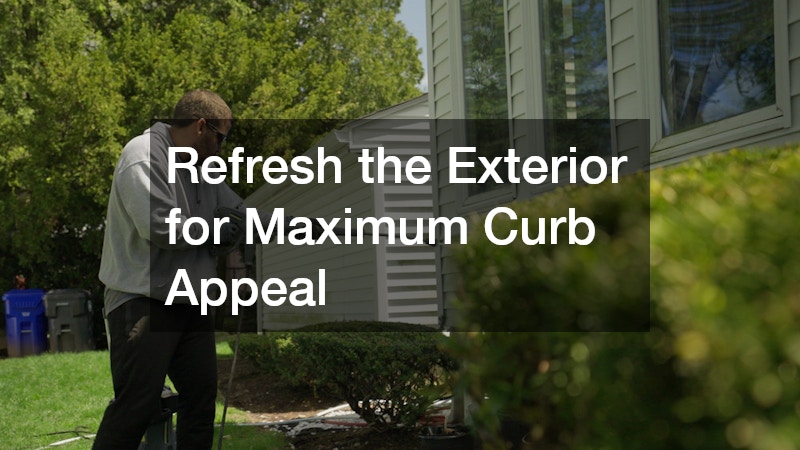
The exterior creates the first impression of a property. Faded surfaces, cracked panels, loose sections, stains, and visible repairs can make the entire home appear poorly maintained. In contrast, a clean and consistent exterior can make the property look newer, more durable, and more inviting before a buyer steps inside.
Siding protects the wall assembly from weather while also shaping the home’s appearance. Homeowners should inspect it for warping, cracks, holes, loose panels, soft spots, peeling finishes, and gaps around windows or doors. Interior signs such as drafts, moisture stains, and damaged drywall may also suggest that the exterior covering is no longer performing properly.
Small isolated defects may be repaired, especially when matching materials are available and the surrounding areas remain sound. More extensive deterioration may justify broader replacement. Widespread fading, repeated moisture problems, brittle materials, or damage across several walls can make piecemeal repairs less practical.
A professional siding service can evaluate whether the visible problem is limited to the surface or connected to deeper issues. In some cases, damaged sheathing, missing flashing, or deteriorated weather barriers must be corrected before new materials are installed. Covering these problems without proper repairs may hide damage rather than solve it.
Material selection should balance appearance, climate, maintenance, and durability. Homeowners should compare resistance to moisture, impact, fading, insects, and temperature changes. They should also consider how easy it will be to clean, repaint, repair, or replace individual sections in the future.
Color choice can affect resale appeal. Neutral and regionally appropriate colors often attract a wider range of buyers, while bold combinations may limit interest. Trim, doors, shutters, and exterior fixtures should complement the main surface rather than compete with it.
Regular washing, caulking inspections, paint touch-ups, and prompt repairs can extend the life of the exterior. Landscaping should be trimmed away from walls so plants do not hold moisture against the surface. A well-maintained exterior strengthens curb appeal and signals that the rest of the property has likely received similar care.
Turn Today’s Improvements Into Tomorrow’s Equity
The strongest home improvements do more than update appearance. They protect the structure, improve comfort, reduce maintenance demands, and give future buyers greater confidence in the property. When homeowners begin with critical systems and complete projects in a logical order, they are more likely to avoid repeated repairs and unexpected damage.
Careful planning is just as important as the work itself. Evaluating current conditions, comparing repair and replacement options, choosing qualified professionals, and keeping detailed records can help ensure that each project delivers lasting benefits. Regular maintenance then protects those improvements and keeps the property looking well cared for.
A home does not need to be completely remodeled to gain value. Focused upgrades can make a meaningful difference when they address real needs and use durable materials. By balancing structural protection, efficiency, curb appeal, and preventive care, homeowners can create a property that is more enjoyable now and more attractive when it is eventually time to sell.