Discover the essentials of choosing the perfect bathroom countertop, including material options, durability, cost, installation, and maintenance tips. With many materials and designs available, homeowners have ample choices, each with unique advantages and challenges.
Different Types of Materials for Bathroom Countertops
Granite
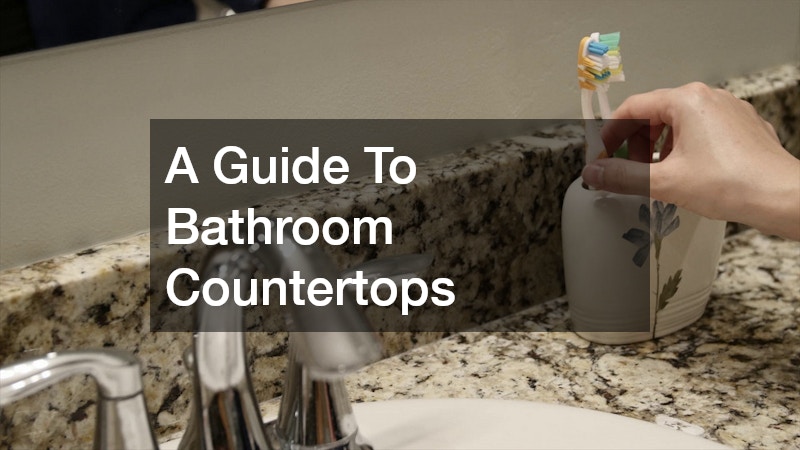
Granite is known for its intricate patterns and durability, resisting chips, heat, and scratches. Regular sealing is needed to prevent stains. Although its initial cost is high, its longevity ensures savings over time.
Granite’s elegance and various colors offer timeless appeal, making it a popular choice for luxury and durability.
Marble
Marble exudes elegance, associated with luxury and sophistication. It requires more care due to its porous nature, needing regular sealing to prevent stains. Despite this, its beauty captivates those seeking grandeur.
Quartz
Engineered from natural quartz with resins, quartz countertops offer resilience and pattern consistency. It’s non-porous, resisting bacteria, stains, and scratches without needing sealing. Available in various colors and patterns, it caters to modern aesthetics with ease of maintenance.
Laminate
Laminate countertops are affordable, offering diverse designs by mimicking the look of wood, stone, or other materials. Although less durable than stone, improvements have enhanced their heat and scratch resistance, making them economical for budget-conscious renovators.
Solid Surface
Solid surface countertops, made from synthetic materials, offer a seamless look with moldable shapes. Although less heat resistant than stone, their non-porous nature and design flexibility make them popular.
Choose the Right Countertop
Assessing Space and Size
Understanding your bathroom’s dimensions helps select the right countertop. Compact or floating designs maximize space in small bathrooms, while larger spaces can accommodate expansive options.
Considering Aesthetics and Design Style
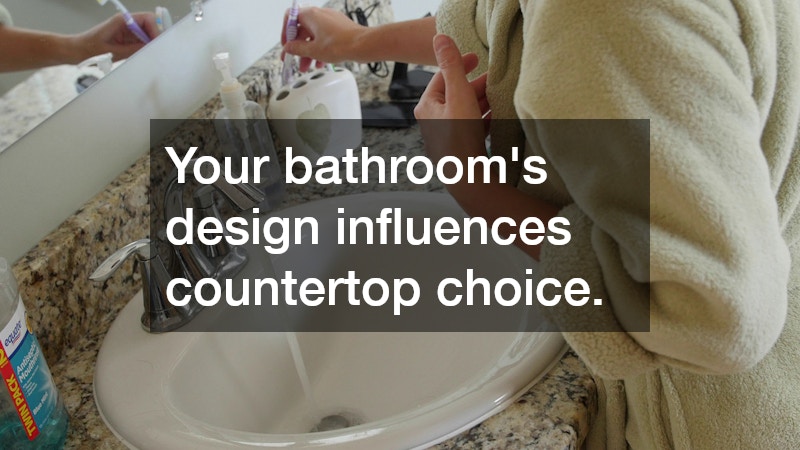
Your bathroom’s design influences countertop choice. Modern aesthetics suit sleek surfaces like Quartz, while traditional designs might prefer Granite or Marble. Ensure the countertop harmonizes with tiles, fixtures, and cabinetry for a cohesive look.
Budgeting for Materials and Installation
Countertops can be a significant budget item, so plan carefully. Materials like Marble and Granite are costly but durable, while options like Laminate or Solid Surface lower costs. Consider installation complexity and other factors to manage expenses.
Evaluating Durability and Functionality
Durability determines longevity, with materials like Granite or Quartz suitable for high-traffic areas. Choose materials that balance maintenance needs with durability.
Matching with Existing Bathroom Fixtures
Coordinate the countertop with existing features for a unified theme. Use matching colors for a seamless blend. A harmonious mix enhances the bathroom’s aesthetic appeal.
Cost Factors to Consider When Choosing Bathroom Countertops
Material Costs
Material choice influences cost. Premium options like Marble or Granite are more expensive, while Laminate is cost-effective. Weighing upfront costs against long-term benefits helps in budgeting.
Installation Fees
Installation costs vary by complexity and material. Heavy materials like Granite require precision handling. DIY saves costs but carries risks, whereas professional services assure quality.
Maintenance and Longevity
Consider long-term maintenance in cost calculations. High-maintenance materials like Marble contrast with low-maintenance options like Quartz.
Repair and Replacement Expenses
Some materials are more prone to damage requiring repairs, affecting economic viability. Prioritize durable choices to mitigate replacement costs.
Economical Alternatives
Economical materials offer style on a budget. Options like Laminate provide aesthetic flexibility, retaining modern designs affordably while exploring recycled or composite materials.
Maintaining and Caring for Bathroom Countertops
Regular Cleaning Techniques
Regular cleaning prevents grime buildup. Use a mild detergent and avoid abrasives for delicate surfaces, maintaining aesthetics and structure.
Preventing Stains and Scratches
Preventive measures extend countertop life by using coasters and cutting boards. Protect surfaces from damage to sustain appearance and function.
Sealing Stone Surfaces
Sealing natural stones like Granite and Marble protects against moisture and stains. Non-porous options like Quartz skip sealing, offering low maintenance.
Addressing Chips and Cracks
Address damage promptly. Repair kits suit DIY fixes for minor issues, while professionals handle significant damage, restoring integrity.
Avoiding Common Pitfalls
Avoid missteps like placing hot items directly on surfaces. Consistent care practices preserve countertops, delivering long-term value.
What are the latest trends in bathroom countertop designs?
Minimalist and Modern Trends
Minimalist design favors simplicity, using materials like Quartz for sleekness. Integrated sinks reduce clutter and enhance minimalist aesthetics.
Eco-Friendly Materials
Demand for eco-friendly materials grows, with recycled glass and composites offering stylish, sustainable choices. Align with sustainability goals without losing aesthetics or function.
Bold Colors and Patterns
Bold designs create standout features, using expressive colors and patterns. These enhance personalization and creative expression in bathroom transformations.
Integration of Technology
Technology integration enhances functionality, with features like embedded lighting or wireless charging impacts. It elevates user convenience and modern living.
Personalized and Custom Designs
Personalization allows bespoke designs reflecting individual tastes, engaged through custom colors, textures, and shapes, enhancing personal expression.
This guide helps make informed decisions on bathroom countertops, considering functionality, aesthetics, and cost. A comprehensive approach aligns personal preferences with practical needs, enhancing beauty and utility.