Natural gas is a vital energy source for many homes and businesses, powering heating systems, water heaters, stoves, and more. Because it is both flammable and invisible, any issue involving gas infrastructure requires careful handling. Understanding what typically happens during gas line repair can help property owners feel more informed and prepared when a problem arises, even though the actual work should always be left to trained professionals.
Understanding When a Repair Is Needed
Gas line issues can develop for several reasons. Aging pipes, corrosion, shifting soil, improper installation, or accidental damage during construction are among the most common causes.
Warning signs may include the smell of sulfur or rotten eggs, hissing sounds near gas appliances, higher-than-normal gas bills, or appliances that fail to operate correctly. In some cases, a problem may be discovered during a routine inspection or when upgrading appliances.
While recognizing these signs is useful, it is critical to avoid attempting to diagnose or fix the issue yourself. Gas-related problems pose serious safety risks, including fire, explosion, and health hazards. Awareness should lead to prompt professional involvement rather than hands-on action.
Initial Safety Measures and Inspection
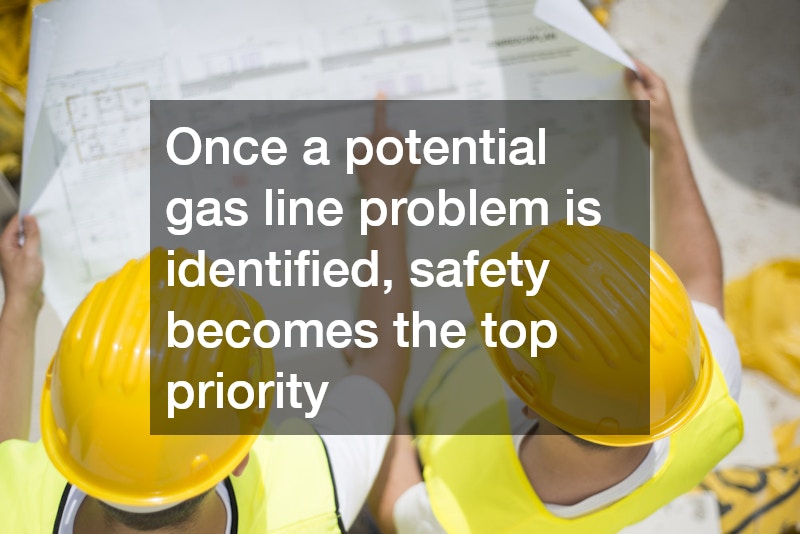
Once a potential gas line problem is identified, safety becomes the top priority. Trained technicians begin by ensuring the area is secure. This may involve shutting off the gas supply, ventilating enclosed spaces, and confirming that there is no immediate danger to occupants.
The next step is a thorough inspection. Professionals use specialized tools to locate leaks, assess pressure levels, and determine the condition of the pipes. This evaluation helps them understand whether the issue is minor, such as a loose fitting, or more complex, like a damaged underground line. Accurate diagnosis at this stage is essential for determining the safest and most effective solution.
Planning the Repair Approach
After the inspection, the technician develops a repair plan tailored to the specific situation. Not all gas line problems are the same, and solutions can vary depending on the material of the pipe, its location, and local building codes. Some repairs may be straightforward, while others require more extensive work, including partial replacement of piping.
Permits and regulatory compliance often play a role at this stage. Gas systems are heavily regulated to protect public safety, so professionals ensure that all planned work meets local and national standards. This planning phase reduces the likelihood of future issues and ensures the repair is both safe and durable.
The Repair or Replacement Phase
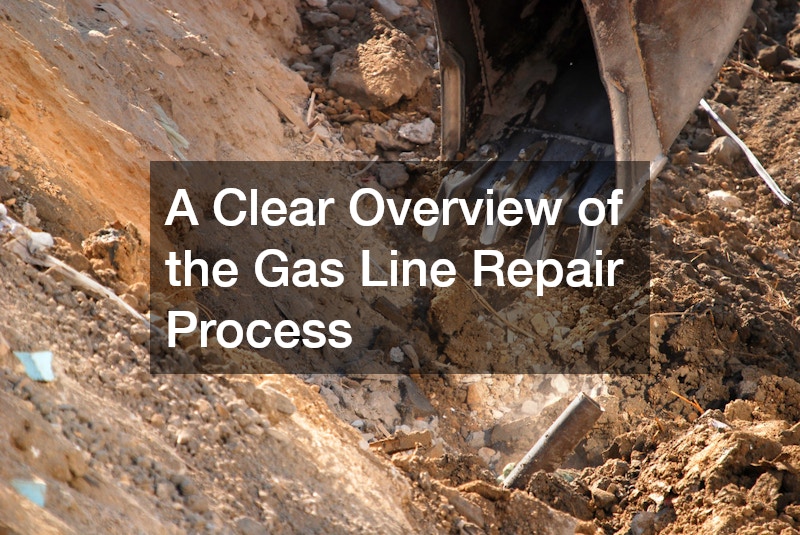
During the actual repair phase, technicians carry out the approved plan using industry-approved materials and methods. This may involve sealing leaks, replacing damaged sections, or reinforcing vulnerable areas. In some cases, older lines made from outdated materials are replaced entirely with modern alternatives designed for longevity and safety.
Throughout this phase, careful testing is performed to confirm that the work is effective. Pressure tests and leak detection tools help verify that the system is secure before gas service is restored. A professional approach to gas line repair emphasizes precision, caution, and verification at every step.
Testing and Restoration of Service
Once the repair work is complete, the system undergoes final testing. This ensures that gas flows correctly and that there are no remaining leaks or pressure issues. Only after these checks are completed is the gas supply turned back on.
Technicians may also inspect connected appliances to confirm they are functioning properly. Restoring service is done gradually and carefully, with attention to safety protocols. This phase provides reassurance that the system is operating as intended and that the repair has fully addressed the problem.
Preventive Considerations and Long-Term Safety
After a repair, property owners often benefit from guidance on preventive care. Regular inspections, awareness of warning signs, and proper maintenance of gas appliances can reduce the likelihood of future problems. Even landscaping or renovation projects should be planned carefully to avoid accidental damage to underground lines.
Understanding the general process behind gas line repair helps demystify what can otherwise feel like a stressful situation. While the technical work should always remain in professional hands, knowing what to expect can make communication easier and decisions more confident.
Gas line issues demand respect, caution, and expertise. From the initial recognition of a problem to inspection, planning, repair, and final testing, each stage is designed to protect people and property. By having a clear overview of how professionals approach these situations, property owners can better appreciate the importance of timely action and qualified service. When handled correctly, gas line repair restores not only functionality but also peace of mind, ensuring that a critical energy system remains safe and reliable for the long term.