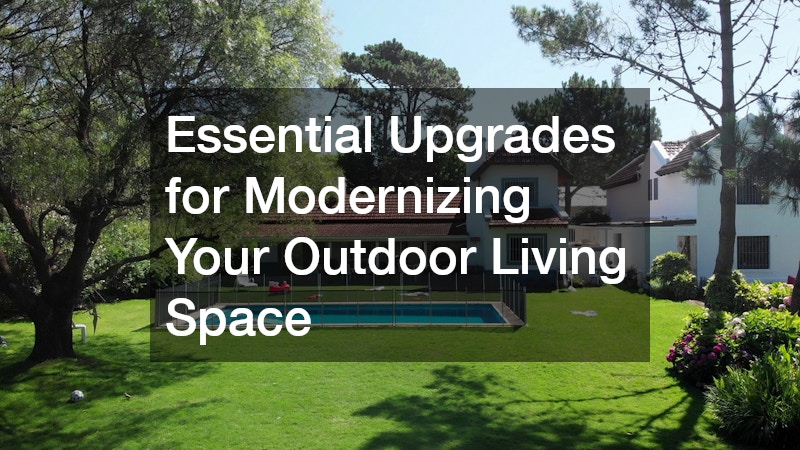
Creating a modern outdoor living environment is one of the most effective ways to maximize your home’s usable footprint, elevate daily comfort, and increase long-term market value. Today’s homeowners view their yards not merely as open lawn space, but as direct extensions of their indoor living areas. From elevated lounging platforms and custom hardscaping to resort-style swimming amenities and smart perimeter security, modern exterior design blends luxury with low-maintenance practicality.
Transforming a basic yard into a sophisticated outdoor retreat requires careful planning, high-performance materials, and proper trade coordination. Introducing high-end amenities without considering structural integrity, water care, or child safety can lead to unexpected maintenance headaches and costly retrofits. By approaching your property upgrades systematically, you can create a cohesive space that balances active recreation, peaceful relaxation, and long-term durability.
Designing Low-Maintenance Elevated Platforms and Custom Lounges
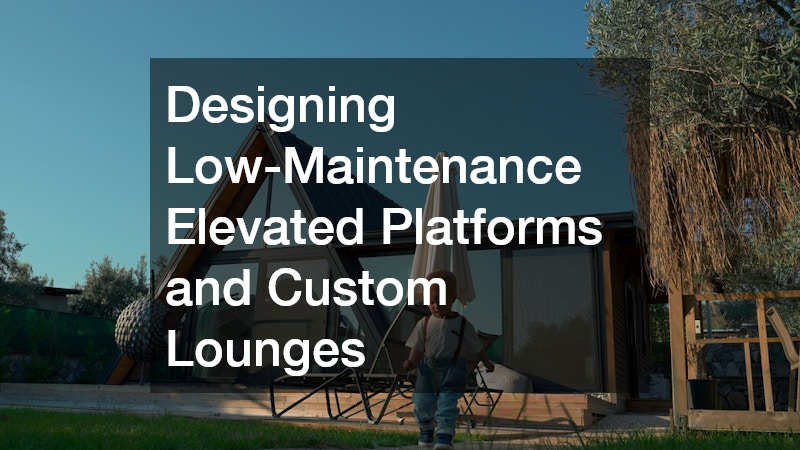
An elevated deck acts as the primary transition zone between indoor home spaces and open yard environments. Designing a lounge platform that withstands heavy foot traffic, harsh weather exposure, and seasonal temperature changes requires selecting advanced synthetic building products and partnering with qualified structural specialists.
Selecting Advanced Synthetic Decking Materials for High-Traffic Zones
Traditional timber decking offers natural charm, but it requires continuous sanding, staining, and sealing to prevent splintering, warping, and moisture decay. Modern synthetic materials provide an attractive, ultra-durable alternative that eliminates annual refinishing.
-
Choose capped synthetic board lines featuring protective polymer shells to guard against color fading, food stains, and deep scratch marks.
-
Select light-colored, heat-mitigating board finishes for unshaded yards to maintain cool surface temperatures under direct summer sunlight.
-
Utilize hidden fastener clip systems during assembly to keep foot surfaces smooth and eliminate exposed screw heads.
-
Select textured, slip-resistant board finishes around high-moisture zones like outdoor kitchens and dining areas.
-
Leave precise thermal expansion gaps between board ends during installation to prevent buckling during hot weather.
Incorporating low-maintenance composite decks into your overall yard design drastically reduces ongoing weekend labor while maintaining a clean, upscale appearance for decades.
Selecting Qualified Structural Framing Specialists for Outdoor Additions
A stunning surface finish is only as reliable as the subterranean posts and timber joists supporting it. Constructing multi-level platforms or heavy lounge structures requires verified structural framing expertise.
-
Audit contractor credentials, verifying active trade licenses, comprehensive general liability coverage, and worker’s compensation insurance.
-
Insist that support posts are set deep into poured concrete footings positioned well below local frost depth lines.
-
Inspect structural joist spacing to ensure support beams are spaced closely enough to prevent synthetic surface boards from flexing.
-
Flash ledger board connection points securely against home foundations using self-adhering waterproofing membranes to block water intrusion.
-
Integrate continuous metal joist hangers and hurricane ties to shield framing against uplift forces caused by severe windstorms.
Partnering with licensed, experienced deck builders ensures your platform framing strictly adheres to local building codes and comfortably supports heavy patio furniture and large social gatherings.
Integrating Custom Spa Elements and Built-In Hardscapes
Incorporating a dedicated soaking spa into your outdoor platform brings therapeutic hydrotherapy home. Successfully embedding a hot tub into your living area requires balancing heavy structural support, easy mechanical maintenance access, and effective under-platform moisture drainage.
Framing and Elevating Built-In Outdoor Soaking Environments
A fully filled hot tub containing several hundred gallons of water and multiple bathers can weigh thousands of pounds. Supporting this mass requires dedicated engineering rather than relying on standard deck joists.
-
Pour an independent, reinforced four-inch concrete pad directly beneath the spa location to bear the total weight.
-
Frame removable access hatch doors into surrounding platform structures to give service technicians unobstructed access to pumps and heaters.
-
Position tub rims several inches above surrounding deck surfaces to create comfortable, stable bench-style step entries.
-
Install wide, slip-resistant coping edges along tub boundaries to provide secure footholds for bathers entering or exiting the water.
-
Run dedicated electrical conduits through sub-framing channels to keep high-voltage wiring safely isolated from foot traffic.
Executing a precise tub deck installation seamlessly flushes heavy spa units into surrounding lounge platforms, creating a sleek, custom-built look rather than an awkward standalone feature.
Managing Moisture Barriers and Under-Platform Drainage Systems
Splashing water and steam around built-in spa areas can accelerate timber decay on underlying support framing if moisture is trapped beneath surface boards.
-
Apply butyl joist tape along the top edge of all wooden support framing to shield timber fibers from trapped splash water.
-
Install rubberized under-deck drainage membranes beneath elevated platforms to catch water and channel it away from ground storage zones.
-
Maintain clear ventilation openings along lower platform skirts to allow continuous airflow and prevent mold growth beneath the structure.
-
Slope ground surfaces beneath lower drainage membranes to direct water runoff away from the home’s main foundation walls.
-
Choose marine-grade stainless steel fasteners for framing brackets near spa zones to resist rust caused by chemically treated water.
Engineering Luxury Backyard Aquatic Retreats
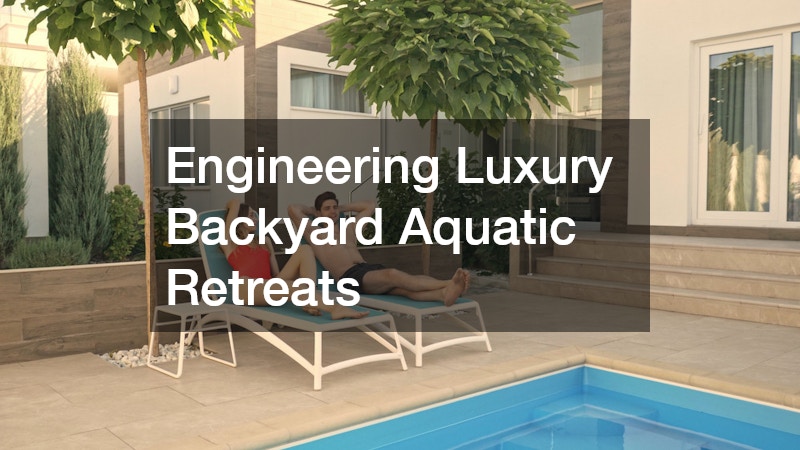
A custom swimming pool serves as the definitive visual anchor and recreational centerpiece of a modern backyard retreat. Designing an aquatic basin requires analyzing site elevation, soil stability, and structural concrete engineering to ensure long-term stability.
Designing Tailored Aquatic Layouts Optimized for Property Footprints
Every residential lot presents unique opportunities and constraints regarding sun orientation, natural slope, and local utility setbacks. Designing a pool requires tailoring the basin shape to match your lifestyle and property layout.
-
Orient the primary swimming pool axis toward southern or western skies to capture maximum natural solar heating throughout the day.
-
Incorporate wide, shallow tanning ledges equipped with built-in umbrella sleeves for relaxing in shallow water.
-
Map subterranean gas, water, and electrical supply paths early in the design process to avoid conflicts during excavation.
-
Select dark interior plaster hues in northern climates to absorb sunlight, or crisp light blue shades in warm regions to reflect glare.
-
Place noisy pump and filter mechanical pads behind acoustically insulated landscape walls away from main seating areas.
Working alongside master design teams to build custom pools ensures that deep-end entries, shallow play areas, and surrounding decks match your home’s architectural lines.
Constructing Heavy-Duty Gunite and Poured Aquatic Shells
The longevity of a swimming pool depends on the strength of its structural shell. Cast concrete and pneumatically applied gunite offer exceptional structural strength, allowing for custom shapes and deep basins.
-
Require high-density steel rebar grid frameworks tied securely prior to spraying concrete to handle ground shifting and water pressure.
-
Select smooth, high-grade quartz or glass aggregate plaster finishes to protect against chemical etching and prevent foot abrasion.
-
Install energy-efficient variable-speed circulation pumps to maintain water clarity while keeping monthly electrical bills low.
-
Form smooth, rounded bullnose coping stones around pool edges to give swimmers comfortable, safe handholds.
-
Add automated pool covers to trap heat, reduce water evaporation, and keep organic debris out of the basin during storms.
Investing in heavy-duty concrete pool installation services guarantees decades of structural integrity, protecting your investment against soil settlement and hydrostatic groundwater pressure.
Modernizing Legacy Pools and Upgrading Water Features
If your property already features an older pool, complete removal is rarely necessary. Modernizing worn pool surfaces, replacing inefficient mechanical equipment, and adding modern water features can transform an outdated pool into a high-end luxury amenity.
Resurfacing and Restoring Aging Swimming Pool Infrastructure
Over decades of use, pool plaster becomes rough, tile lines stain, and legacy pumps consume excessive energy. Restoring these elements breathes new life into aging backyard infrastructure.
-
Strip away chipped or stained interior plaster, replacing it with durable pebble or quartz aggregate finishes for a modern look.
-
Swap single-speed pumps and manual valves for smart automated control systems operated via mobile phone apps.
-
Replace high-voltage halogen light niches with low-voltage, multi-color LED underwater lights to dramatically reduce power draw.
-
Convert traditional manual chlorine tablet systems to gentle salt-water chlorination systems for softer skin and cleaner water.
-
Replace cracked waterline ceramic tile with frost-proof glass mosaics that reflect sunlight beautifully across the water line.
Scheduling a comprehensive Pool Remodeling project allows homeowners to fix structural wear, update plumbing lines, and integrate elegant water cascades or deck jets.
Vetting Specialized Aquatic Construction and Renovation Teams
Overhauling a pool involves complex plumbing, electrical wiring, and high-pressure concrete work. Selecting a qualified renovation team requires careful screening.
-
Audit past project portfolios to confirm experience with complex shell modifications, deck integrations, and automation hookups.
-
Request detailed manufacturer warranties covering new filtration pumps, gas heaters, salt cells, and automated control panels.
-
Establish clear project timeline milestones, including explicit dates for excavation, plumbing pressure tests, plastering, and water filling.
-
Confirm that contractors carry specialized aquatic pool liability insurance and hold active state trade licenses.
-
Obtain detailed written contracts outlining exact material grades, aggregate plaster choices, and specified equipment model numbers.
Contracting top-rated swimming pool contractors ensures that complex structural retrofits, equipment upgrades, and tile replacements are executed safely and according to code.
Establishing Routine Maintenance and Professional Water Care
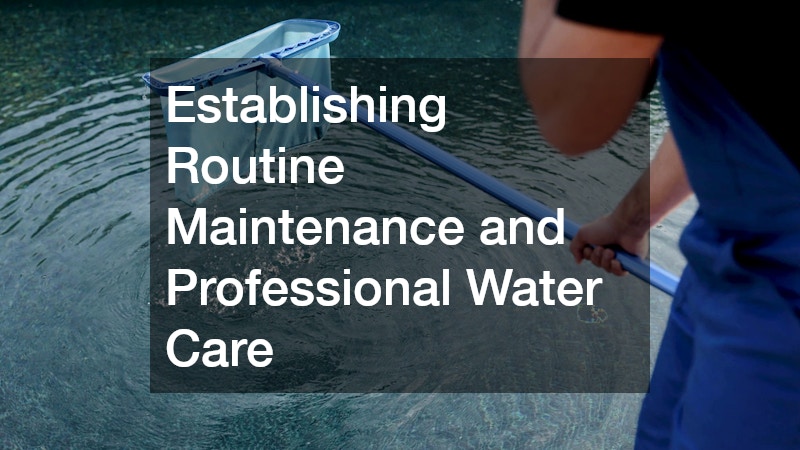
Maintaining crystal-clear pool water and healthy filtration equipment requires consistent chemical monitoring and mechanical care. Establishing a regular maintenance routine keeps water safe for swimmers and protects expensive pool surfaces from damage.
Structuring Year-Round Preventative Maintenance and Chemistry Schedules
Unbalanced water chemistry can cause mineral scaling on new pool finishes, corrode metal heater elements, or foster rapid algae growth during hot weather.
-
Test water pH, total alkalinity, and sanitizer levels weekly to keep water comfortable and balanced.
-
Backwash sand or DE media filters monthly—or rinse cartridge elements—to maintain proper water flow through return jets.
-
Empty skimmer baskets and pump strainer pots frequently to prevent leaves from choking water flow to the pump.
-
Maintain ideal cyanuric acid stabilizer levels in outdoor pools to shield free chlorine from rapid breakdown by sun exposure.
-
Inspect mechanical pump seals and O-rings regularly, applying silicone lubricant to prevent air leaks in suction plumbing lines.
Enrolling in a structured, recurring Pool Service program ensures that water chemistry remains balanced year-round, extending the working life of your heating and filtration systems.
Outsourcing Deep Sanitization, Vacuuming, and Filter Care
While simple skimmer clearing can be done in minutes, deep sanitization, vacuuming settled debris, and inspecting valves often require professional equipment and specialized chemical knowledge.
-
Run automated robotic pool cleaners between professional service visits to keep floor surfaces free of fine sand and leaves.
-
Brush plaster walls and step risers bi-weekly to dislodge microscopic algae spores before they take hold on porous surfaces.
-
Perform seasonal chemical shocks following heavy pool use or intense rainstorms to break down combined chloramines.
-
Inspect mechanical pressure gauges weekly to identify filter clogs or plumbing blockages before they strain pump motors.
-
Clear main drain covers of any accumulated debris to maintain uninhibited bottom circulation throughout the basin.
Hiring a certified pool cleaning service transfers the labor of tile scrubbing, deep vacuuming, chemical balancing, and equipment health checks to skilled technicians.
Enhancing Perimeter Safety and Automated Access Control
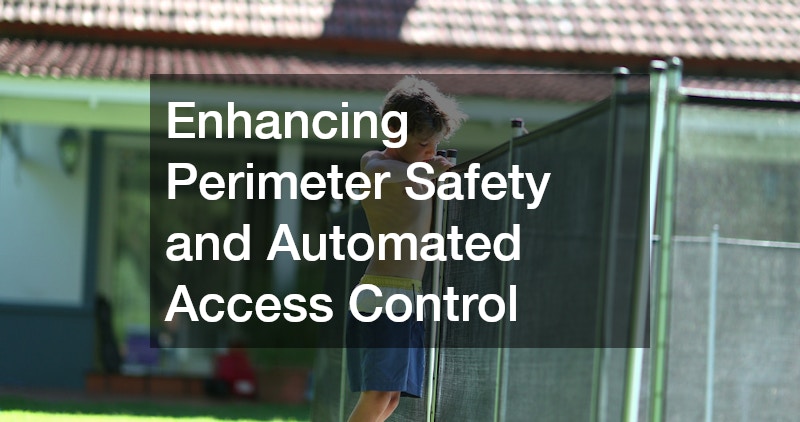
A truly modern outdoor living space prioritizes safety alongside aesthetics. Securing the perimeter of your pool area prevents accidental drownings, satisfies strict local building safety codes, and gives parents total peace of mind.
Installing Smart Locks and Automated Entry Barriers Around Pools
Modern safety technology allows homeowners to secure pool gates without relying on simple mechanical latches that curious children can open. Smart access systems provide both security and convenience.
-
Select self-closing, magnetic self-latching gate hinges that automatically pull gates shut from any open position.
-
Install weather-resistant digital keypad or biometric access locks to restrict entry to authorized adults only.
-
Mount wireless door-open sensors on perimeter gates to send immediate alert notifications to your smartphone when a gate opens.
-
Integrate high-definition security cameras angled directly at pool entry gates to capture motion events in real time.
-
Place manual emergency gate release mechanisms at code-compliant heights above the reach of young children.
Implementing modern pool gate access control systems prevents unauthorized entry into water zones, protecting your family, pets, and neighborhood children.
Meeting Municipal Safety Standards for Aquatic Boundaries
Local building codes mandate strict physical barrier standards for residential swimming pools to eliminate access paths from the main home or surrounding yards.
-
Ensure perimeter safety fences stand at least 48 inches tall, measured from the ground surface outside the pool enclosure.
-
Verify that vertical fence pickets are spaced closely enough that a four-inch sphere cannot pass through any gap.
-
Move climbable objects like patio chairs, planter boxes, and storage bins far away from exterior fence walls.
-
Ensure all access gates swing outward away from the pool basin so pushing against the gate will not force it open.
-
Install automatic door alarms on any home doors that open directly into the enclosed pool zone.
Modernizing an outdoor living space is a transformative investment that blends architectural design, structural engineering, and modern lifestyle luxury. By systematically addressing your property’s primary elements—from low-maintenance composite lounging platforms and custom hardscapes to resort-style swimming pools, professional water care, and automated safety barriers—you can build an outdoor retreat that excels in both form and function. Partnering with skilled trades, choosing durable materials, and integrating smart security ensures your backyard remains a source of relaxation, fun, and home value for years to come.