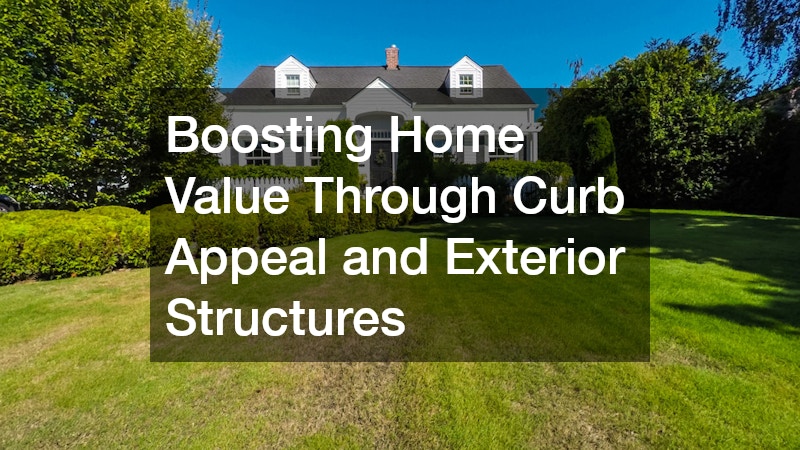
First impressions in real estate are formed in a matter of seconds. Before a prospective buyer ever steps across the threshold of a property, their perception of its financial value, maintenance history, and overall structural integrity is quietly established right from the curb. Curb appeal is far more than a decorative luxury or cosmetic surface polish; it is a critical driver of appraised valuation and marketability. According to national real estate studies, homes with high-end curb appeal, mature landscaping, and well-maintained exterior structures routinely command sale prices seven to fourteen percent higher than similar homes with neglected exteriors. When real estate appraisers evaluate a property, they look well beyond interior open-concept layouts and updated kitchen finishes. They rigorously assess the condition of the building envelope, the quality and longevity of outdoor living spaces, and the structural readiness of the grounds to withstand environmental stress, moisture, and time. Investing in your property’s exterior creates dual equity: immediate functional utility and lifestyle enhancement for your family today, and maximum financial returns when it comes time to list.
Choose Modern Color Palettes and Low-Maintenance Cladding
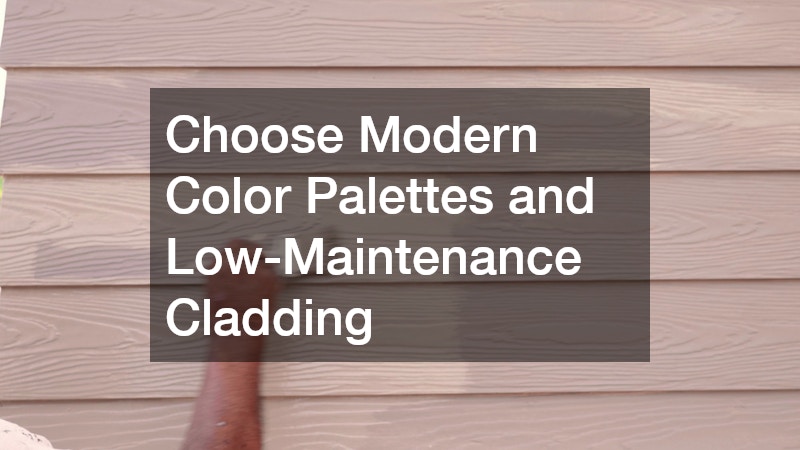
The outer walls of a home represent its primary visual canvas and first line of defense against the elements. When exterior wall surfaces display weathering, hairline cracking, peeling paint, or outdated color schemes, prospective buyers naturally assume that hidden mechanical, electrical, or structural systems suffer from similar neglect. Modernizing wall finishes creates a fresh, protective shield that guards against moisture infiltration, rot, and thermal transfer while instantly elevating architectural appeal.
Color science plays a major role in modern real estate buyer psychology. High-contrast color schemes—such as warm off-whites paired with deep charcoal, dark bronze, or slate gray accents on trim and window frames—give older homes a clean aesthetic without requiring structural alterations. Working with a professional exterior painting service ensures proper surface preparation, including high-pressure washing, scraping flaking paint, repairing historic plaster or stucco cracks, and applying premium elastomeric or 100% acrylic coatings designed to expand and contract with seasonal temperature fluctuations. A proper coat of paint does not merely mask surface flaws; it seals the building envelope against driven rain, mold spores, and ultraviolet decay.
When wall surfaces are deteriorated beyond simple recoating, replacing old wood, aluminum, or asbestos cladding becomes a high-impact investment that dramatically improves thermal efficiency. Scheduling a complete siding installation with modern fiber cement or insulated vinyl profiles fundamentally updates a property’s building envelope and architectural character. Fiber cement cladding, for instance, offers superior fire resistance, immunity to wood-boring insects, and exceptional dimensional stability in fluctuating humidity.
- Color selection strategy: Select a primary body color that harmonizes with neighboring homes while choosing dark, grounding trim colors to emphasize architectural depth, gables, window casings, and fascia boards.
- Sheen and paint selection: Utilize satin or low-lustre sheens on main body walls to hide subtle masonry imperfections, paired with semi-gloss coatings on doors and trim for crisp contrast and easy washing.
- Moisture management protocols: Ensure all wall upgrades incorporate breathable house wrap, flashed window headers, and high-grade polyurethane caulking joints to prevent trapped moisture behind new cladding materials.
- Long-term durability: Opt for factory-prefinished cladding materials or high-grade fluoropolymer paint systems that provide comprehensive multi-decade warranties against fading, chalking, and blistering.
- Substrate inspection: Inspect existing shear panels, insulation, and timber framing for hidden water intrusion or pest damage before applying new paint or installing fresh exterior cladding.
Invest in High-ROI Focal Points Above and at Street Level
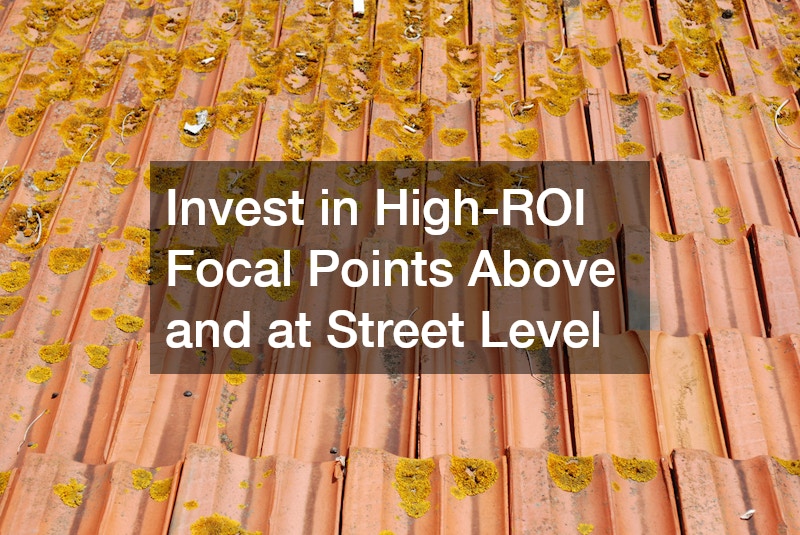
Certain exterior components carry disproportionate weight in both buyer psychology and home appraisal calculations. The roofline and the garage door serve as two of the largest architectural features visible from the street, directly signaling how well the home has been protected beneath the surface.
A roof in disrepair is an immediate red flag during home inspections, often leading to steep concession demands, repair escrows, or renegotiated purchase prices late in contract negotiations. Partnering with a licensed roofing contractor allows homeowners to identify subtle issues such as curling shingles, worn valley flashing, compromised underlayment, and inadequate attic ventilation before they lead to interior water damage. Modern architectural shingles offer multidimensional texture, dynamic shadow lines, and wind resistance ratings up to 130 miles per hour, while standing-seam metal roofs deliver decades of low-maintenance energy efficiency. Replacing a stained, moss-covered, or deteriorating roof satisfies lender appraisal requirements while dramatically crispening the home’s silhouette against the sky.
Simultaneously, the garage door often accounts for up to thirty percent of a home’s front elevation. Replacing an old, dented, or noisy garage door with an insulated, architectural design is consistently ranked among the single highest return-on-investment projects in residential remodeling surveys, often recouped over ninety percent at sale. Consulting a reputable garage door company allows you to select styles that complement your home’s structural period, whether that means carriage-house wood textures, sleek full-view glass panels, or polyurethane-insulated steel doors with high thermal ratings.
- Roof inspection priorities: Audit shingle granule accumulation in gutters, inspect plumbing vent boots for rubber dry rot, and verify adequate soffit-to-ridge airflow balance to prevent attic heat buildup.
- Architectural shingle selection: Choose dimensional shingles in deep charcoal, slate, or weathered wood tones to anchor light-colored siding and disguise future environmental weathering.
- Ventilation mechanics: Ensure the attic system maintains proper net free vent area calculations to prevent ice dam formation in winter and premature shingle degradation in summer.
- Garage door performance: Select ultra-quiet belt-drive or side-mount wall operators equipped with battery backup systems, smart home connectivity, and high R-value insulation panels (R-12 to R-18).
- Hardware accents: Upgrade garage door handles, magnetic decorative hinges, and window inserts to mirror the hardware finish and grid style of the front entry door.
Prune Overhead Canopies and Maintain Dense Turf for Clean Sightlines
Landscape layout dictates how a home sits within its surrounding environment. Overgrown trees, dead limbs, encroaching roots, and patchy turf create visual friction that obstructs architectural lines and makes properties look smaller, darker, and neglected. Proper arboriculture and lawn maintenance serve as the frame around a fine piece of art, creating clean sightlines and highlighting structural beauty.
Large, untamed trees present serious real estate and structural risks, including roof abrasion from swaying limbs, clogged gutters, structural foundation cracking, and sewer line intrusion. Engaging local tree services ensures that mature trees are professionally crown-thinned, deadwooded, and elevated to allow natural sunlight to filter down to lower plantings, lawns, and window openings. Removing diseased, leaning, or improperly placed trees opens up sweeping views of the home’s elevation while eliminating safety hazards that make home insurance underwriters cautious during buyer inspections.
Beneath the tree canopy, a lush, uniform lawn establishes an immediate baseline of superior property management. Partnering with experienced local lawn care companies provides structured turf management, including core aeration, custom soil amendment, weed eradication, and crisp edge-trimming along walkways and flowerbeds. A thick green lawn reduces soil erosion, keeps dust down, regulates ground temperature, and presents an inviting backdrop that draws the eye directly toward the main entryway.
- Canopy management tips: Lift lower tree branches to a minimum clearance of eight to twelve feet above ground level to open sightlines from the street to the front porch and entry door.
- Hazard assessment: Conduct regular hazard audits for deadwood, fungal growth around root collars, and structural V-crotches that could split during severe windstorms.
- Root barrier installation: Identify tree roots encroaching on foundations, driveways, or patio hardscapes to prevent future structural lifting and concrete cracking.
- Turf renewal protocols: Implement late-fall core aeration and overseeding with climate-appropriate grass species to build dense root structures that resist summer drought and weed infestation.
- Edging precision: Cut sharp, vertical soil edges along driveways, garden beds, and sidewalks to create clear visual separation between hardscapes and softscapes.
Design Durable Hardscapes for Extended Outdoor Entertaining
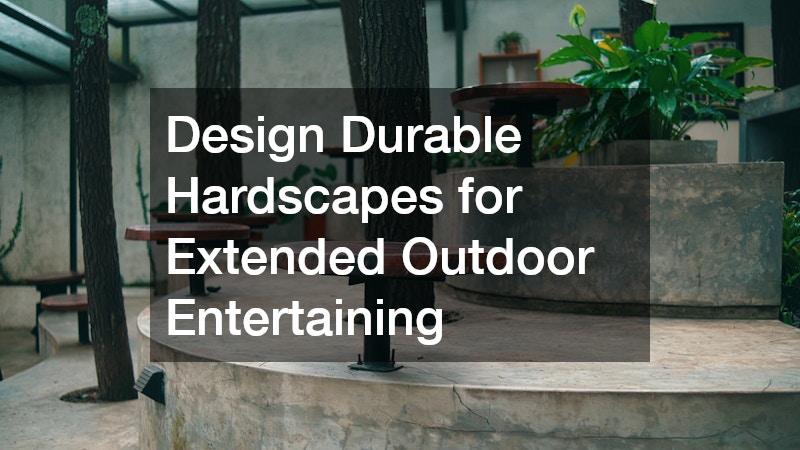
Modern homebuyers view the backyard as a direct continuation of interior living areas. Well-constructed hardscapes expand usable square footage, create functional entertaining zones, and drastically reduce landscape maintenance demands for busy families.
A beautifully built concrete patio serves as the anchor for outdoor kitchens, dining sets, fire pits, and lounge furniture. Unlike traditional wood decks that require seasonal staining, board replacements, and rot repairs, concrete hardscapes offer incredible longevity and flexible design customization. Poured concrete can be stamped to replicate natural flagstone, slate, or European cobblestone, and colored with integral pigments or reactive acid stains to complement your home’s exterior palette. Creating a defined, low-maintenance outdoor patio space gives buyers a clear vision of how they will entertain guests and relax outdoors.
To ensure long-term structural integrity, heavy hardscape installations require precision engineering and proper material execution. Working with expert concrete contractors guarantees that excavation depths, sub-grade gravel compaction, drainage slope, and rebar reinforcement grids are handled according to local soil conditions. Proper surface pitch and control joint placement are essential to prevent standing water near the foundation and to absorb natural thermal expansion without unsightly surface cracking.
- Hardscape layout planning: Design outdoor living zones with dedicated areas for cooking, dining, and lounging, leaving wide thoroughfares for comfortable foot traffic flow.
- Sub-base preparation standards: Ensure a minimum four-to-six-inch crushed aggregate base, thoroughly compacted with mechanical tampers before pouring, to prevent settling and frost heave.
- Reinforcement specifications: Require heavy-gauge welded wire mesh or #4 rebar grids elevated on chairs within the pour to guarantee tensile strength and load distribution.
- Surface finish selection: Choose broom-finished, exposed aggregate, or lightly textured stamped finishes around seating and pool areas to provide slip resistance when wet.
- Water runoff management: Slope hardscape surfaces away from the home foundation at a minimum slope of one-quarter inch per foot toward integrated channel drains or rain gardens.
Eliminate Surface Hazards and Enclose Yards for Privacy
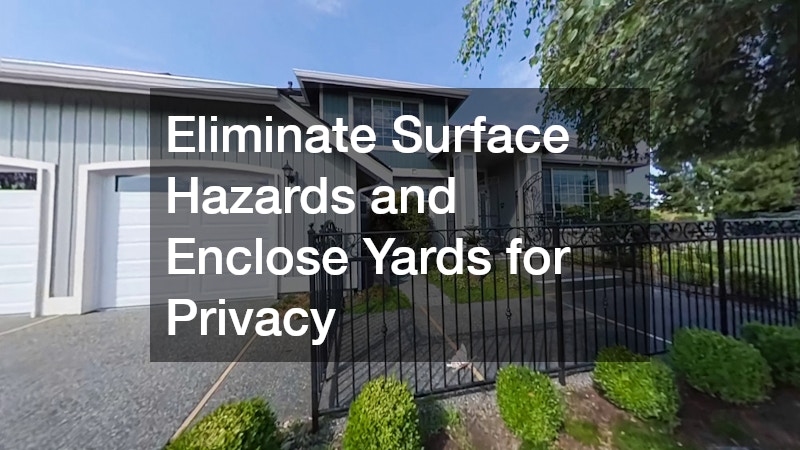
The perimeter of your property and the driveway entry form the initial physical touchpoints for anyone visiting your home. Crumbled asphalt, cracked concrete aprons, or sagging boundary fences create an immediate impression of deferred maintenance that can deflate buyer enthusiasm before they ever reach the front door.
The driveway is one of the first structural features a buyer drives across when approaching a property. A cracked, potholed, or oil-stained driveway detracts significantly from the home’s overall aesthetic presentation and perceived value. Investing in professional driveway paving creates a smooth, clean approach that emphasizes pride of ownership. Whether installing hot-mix asphalt or reinforced concrete flatwork, a new driveway eliminates dangerous trip hazards, improves water runoff away from the home, and provides a crisp, dark frame for adjacent lawns and landscaping.
Equally vital is defining property boundaries with attractive, secure enclosures. A high-quality fencing installation provides privacy, security for pets and children, and clear spatial definition for the yard. Modern low-maintenance vinyl, horizontal composite boards, or classic black aluminum ornamental fences add security without feeling overly restrictive or boxy.
- Driveway drainage solutions: Ensure the paved surface slopes away from garage doors and house foundations, integrating slot drains if natural slopes channel water toward buildings.
- Base compaction metrics: Verify that asphalt installations feature a crushed stone sub-base compacted to a minimum thickness of six inches before applying hot-mix asphalt.
- Sealcoating schedule: Plan for initial asphalt curing followed by sealcoating every two to three years to protect against petroleum stains, water penetration, and UV oxidation.
- Fence material options: Select low-maintenance vinyl or powder-coated aluminum for maximum weather longevity, or pre-stained cedar for a warm, natural aesthetic.
- Gate mechanics optimization: Install self-closing, heavy-duty adjustable hinges and drop rods to satisfy pool safety codes and enhance daily functional ease.
- Border alignment: Verify property pin locations with a professional land survey prior to installing permanent fences or driveway borders to avoid boundary disputes with neighbors.
Boosting home value through exterior improvements requires a thoughtful balance between aesthetic presentation and structural durability. Rather than viewing exterior projects as isolated tasks, approach your home’s exterior as a unified system where wall finishes, roofing, landscaping, hardscapes, and boundaries work together to create a cohesive architectural statement. Start by addressing high-priority structural needs—such as roof integrity, hazard tree management, and surface drainage—before moving on to high-impact visual upgrades like fresh exterior paint, updated garage doors, and custom hardscape entertaining spaces. By combining strategic cosmetic improvements with professional structural upgrades, you create an inviting, low-maintenance property that captivates buyers, maximizes appraisal evaluations, and delivers exceptional living quality for years to come.