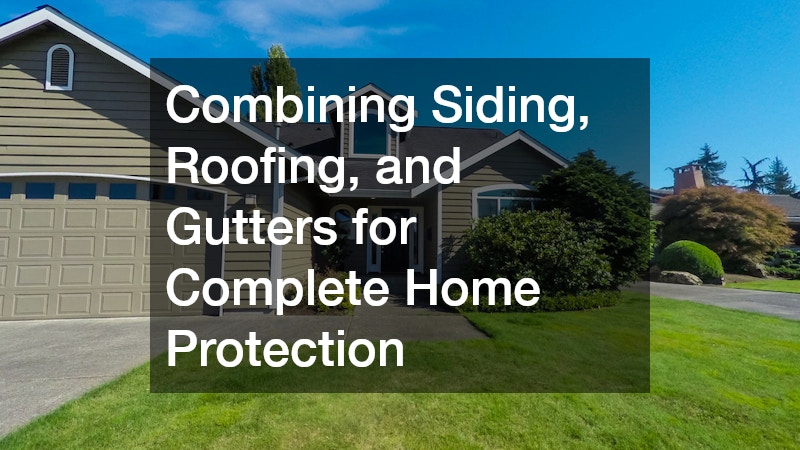
A home’s exterior is more than just its appearance—it is a protective system that shields everything inside from weather, moisture, and long-term structural damage. When roofing, siding, and drainage systems are treated as separate elements, small vulnerabilities can develop into expensive repairs over time. Water intrusion, energy loss, and structural deterioration often begin in areas homeowners don’t immediately notice.
A more effective approach is to view the home exterior as a single interconnected system. When all components are properly designed, installed, and maintained to work together, they create a stronger defense against the elements. This guide explores how different exterior systems interact, what to look for when evaluating professionals, and how to plan upgrades that improve durability, efficiency, and long-term value.
Understanding How Roof Systems Work Together
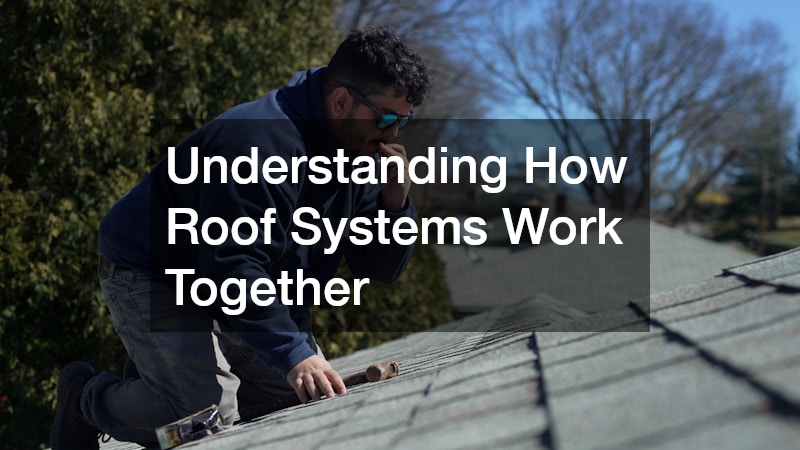
The roof is the first line of defense against weather exposure, and its condition directly influences the performance of every other exterior component. A well-designed roofing system does more than keep water out—it directs water flow, supports insulation efficiency, and protects structural integrity.
Experienced roofing companies evaluate the entire roofing structure rather than focusing only on surface-level damage. This includes checking flashing, ventilation, underlayment, and drainage paths. When these elements are properly aligned, the roof can effectively channel water toward gutters and away from siding and foundations.
Roofers play a key role in identifying early signs of failure before they become major problems. Common issues they look for include:
- Missing or damaged shingles
- Sagging roof sections
- Poor attic ventilation
- Moisture stains or mold growth
Actionable homeowner tips:
- Schedule full exterior inspections instead of isolated roof checks
- Pay attention to subtle changes like ceiling stains or rising energy bills
- Address small issues quickly before they spread
When roofing systems function properly, they reduce strain on siding and drainage systems, helping the entire home exterior perform more efficiently.
Choosing the Right Exterior Project Professionals
Selecting the right professionals is critical when planning any major exterior work. Not all roofing contractors have experience with integrated home systems, so it’s important to evaluate their expertise beyond basic installation.
Qualified roofing contractors should be able to explain how roofing decisions impact siding and drainage performance. They should also provide clear documentation, warranties, and examples of past work that demonstrate long-term durability.
When searching for the best roofing company, homeowners should look for more than just competitive pricing. Quality, communication, and system-wide understanding matter just as much.
Key questions to ask before hiring:
- Do you evaluate siding and gutter interaction during roof projects?
- What materials do you recommend for long-term durability?
- How do you handle unexpected structural issues during installation?
Additional selection tips:
- Verify licensing and insurance coverage
- Read verified customer reviews
- Ask for detailed project timelines
- Request written estimates with material breakdowns
Choosing experienced professionals ensures that roofing work supports the entire exterior system rather than creating future maintenance issues.
Deciding Between Repairing and Full Roof Replacement
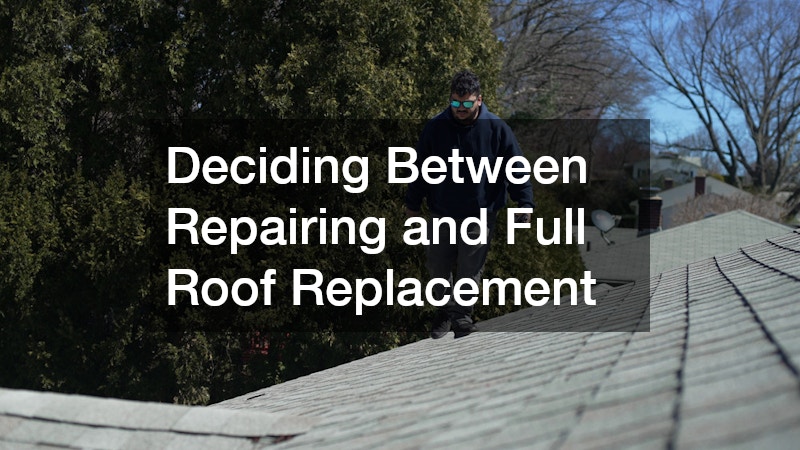
One of the most important homeowner decisions is whether to invest in ongoing roof repairs or commit to full replacement. The right choice depends on the age of the roof, the extent of damage, and long-term cost considerations.
Roof repairs are often suitable for localized issues such as:
- Minor leaks
- Isolated shingle damage
- Small flashing problems
However, repeated roof repairs can become costly over time and may not address underlying structural issues. If damage is widespread or the roof is nearing the end of its lifespan, roof replacements may be the more practical solution.
Signs that replacement may be necessary include:
- Frequent leaks in multiple areas
- Curling or missing shingles across large sections
- Visible sagging or structural weakness
- Persistent moisture issues in the attic
Helpful decision-making tips:
- Compare long-term repair costs vs replacement investment
- Consider energy efficiency improvements with a new roof
- Evaluate how roof age affects insurance coverage
A full replacement often provides better long-term protection for siding and gutter systems by ensuring proper water flow and structural stability.
Strengthening Home Protection Through Exterior Walls
Siding is the protective layer that shields a home from wind, rain, and temperature fluctuations. When properly installed and maintained, it prevents moisture from entering wall structures and helps regulate indoor temperatures.
Working with a reliable siding supplier is essential for selecting materials that match both climate conditions and roofing systems. Different materials offer different levels of durability, insulation, and maintenance requirements.
Common siding material considerations:
- Vinyl: low maintenance and cost-effective
- Fiber cement: strong resistance to moisture and fire
- Wood: natural appearance but higher maintenance
- Engineered materials: balance of durability and efficiency
Important coordination tips:
- Match siding color and material with roofing style
- Ensure proper sealing around windows and roof edges
- Install moisture barriers behind siding layers
Actionable homeowner advice:
- Inspect siding annually for cracks or warping
- Clean exterior surfaces to prevent buildup
- Address small damage early to avoid structural issues
When siding is properly integrated with roofing systems, it significantly reduces the risk of hidden water damage.
Managing Water Flow and Preventing Foundation Damage
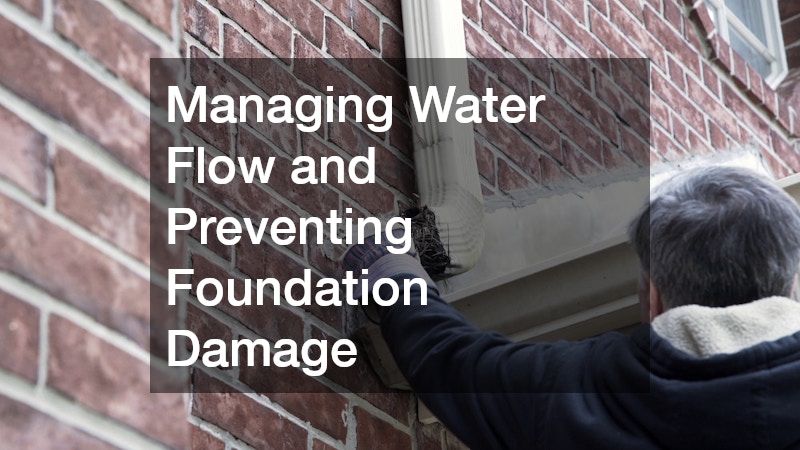
Gutters play a crucial role in directing water away from the home. Without proper drainage, water can accumulate near the foundation, leading to erosion, basement leaks, and structural instability.
Working with local gutter services ensures that systems are designed specifically for regional weather patterns and seasonal rainfall. Local professionals also provide ongoing maintenance and quicker response times when issues arise.
Gutter guard installation is another important upgrade that helps prevent debris buildup and reduces maintenance frequency. By keeping leaves and debris out, gutter guards maintain consistent water flow and reduce overflow risks.
Benefits of proper gutter systems include:
- Protection against foundation erosion
- Reduced risk of basement flooding
- Prevention of siding water stains
- Extended roof lifespan
Maintenance tips:
- Clean gutters at least twice per year
- Inspect downspouts for blockages
- Check for sagging or separation
- Ensure water is directed away from the foundation
When gutters work efficiently, they protect both roofing and siding systems from long-term moisture damage.
Improving Outdoor Drainage Efficiency Around the Home
Outdoor water management is often overlooked, especially in areas beneath elevated decks. Without proper drainage, water can collect and lead to wood rot, mold growth, and foundation issues.
Under-deck drainage systems are designed to capture and redirect water away from these vulnerable areas. They also help create usable dry space beneath decks, improving outdoor functionality.
Key benefits of proper drainage systems:
- Prevents structural wood decay
- Reduces mold and mildew growth
- Protects nearby siding and foundation walls
- Expands usable outdoor living space
Installation considerations:
- Ensure proper slope for water flow
- Use durable, waterproof materials
- Connect drainage systems to gutter outlets when possible
Actionable homeowner tips:
- Inspect under-deck areas after heavy rain
- Clear debris from drainage channels
- Watch for pooling water or damp odors
Proper drainage supports the entire exterior system by preventing water accumulation in hidden areas.
Conducting Full Exterior Home Inspections
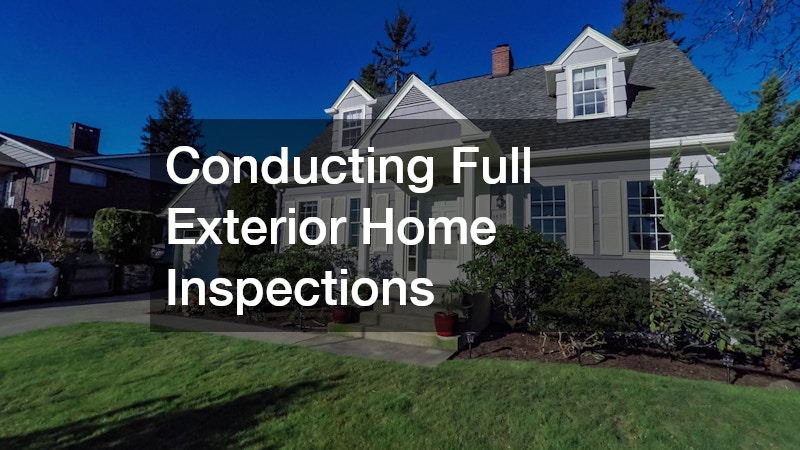
A comprehensive exterior inspection helps identify small problems before they become major repairs. Instead of evaluating roofing, siding, and drainage separately, homeowners should assess them as a unified system.
Inspection checklist:
- Roof condition and surface wear
- Siding alignment and sealing integrity
- Gutter flow and downspout performance
- Signs of moisture intrusion or staining
- Foundation cracks or water pooling
Recommended inspection frequency:
- Twice per year (spring and fall)
- After major storms or extreme weather events
Helpful practices:
- Take photos during each inspection for comparison
- Track recurring problem areas
- Document any repairs or maintenance performed
Regular inspections ensure early detection of issues that could compromise the entire home exterior.
Seasonal Maintenance Planning for Long-Term Protection
Seasonal changes place different stresses on exterior systems, and those stresses often build gradually until they become visible damage. Preparing the home throughout the year helps prevent unexpected issues, reduces emergency repairs, and keeps roofing, siding, and drainage systems functioning efficiently in changing weather conditions.
A structured seasonal approach works best because each season introduces different risks, from moisture overload to temperature extremes and debris accumulation. Addressing these factors proactively helps maintain the integrity of the home’s exterior envelope.
Seasonal tasks:
Spring
Spring is typically the most important inspection period because it reveals damage caused by winter ice, snow, and freezing temperatures. As temperatures rise, materials expand and hidden issues often become visible.
- Inspect for winter damage, including cracked shingles, loose flashing, or warping caused by freeze-thaw cycles
- Clean gutters and downspouts to remove debris buildup that may have collected over winter and ensure proper water flow during spring rains
- Check siding for cracks, warping, or moisture intrusion that may have developed during colder months
- Look for signs of soil erosion near the foundation caused by melting snow and runoff
Summer
Summer heat and storms can place stress on roofing materials and ventilation systems. High temperatures can also accelerate wear if airflow is restricted.
- Evaluate roof ventilation to ensure heat is properly escaping from attic spaces, reducing strain on roofing materials and improving energy efficiency
- Trim trees near the home to prevent branches from scraping roofing surfaces or dropping debris during storms
- Inspect drainage systems to confirm they are handling heavy rainfall efficiently and not backing up during sudden downpours
- Check for UV-related wear on siding and exterior coatings, especially on sun-exposed sides of the home
Fall
Fall preparation is critical because it sets the stage for winter performance. Leaves, moisture, and temperature drops all contribute to potential exterior issues.
- Remove leaves from gutters regularly to prevent clogs that can lead to overflow and water intrusion
- Seal exterior gaps around windows, doors, and siding to reduce drafts and moisture entry
- Prepare for heavy rainfall by ensuring all drainage pathways are clear and properly directed away from the foundation
- Inspect roofing materials for loose or damaged sections that could worsen under winter conditions
Winter
Winter places the most intense strain on exterior systems due to freezing temperatures, ice accumulation, and snow load.
- Monitor ice buildup along roof edges and gutters, which can lead to ice dams and water backing up under roofing materials
- Check for heat loss areas that may indicate poor insulation or air leaks contributing to ice formation on the roof
- Ensure drainage paths remain clear where possible, even during freezing conditions, to prevent trapped water from expanding and causing damage
- Watch for signs of structural stress, such as sagging gutters or roof edges under heavy snow loads
Creating a structured maintenance plan helps extend the life of all exterior components by ensuring small issues are addressed before they develop into larger structural problems. Regular seasonal attention also helps maintain consistent performance across roofing, siding, and drainage systems throughout the year.
Budgeting and Planning for Exterior Home Projects
Planning exterior improvements requires balancing immediate needs with long-term investments, especially since many home exterior issues develop gradually rather than all at once. Instead of reacting to visible damage as it appears, homeowners benefit significantly from proactive budgeting and phased upgrades that prioritize overall system performance rather than isolated fixes. This approach reduces financial strain while improving the home’s long-term durability and efficiency.
Financial planning strategies:
- Prioritize safety-related repairs first, since structural or protective failures can quickly lead to more extensive damage if delayed
- Group projects to reduce labor costs, such as combining roof and siding work during the same project timeline to minimize repeated contractor mobilization fees
- Set aside emergency repair funds to handle unexpected issues like storm damage or sudden leaks without disrupting long-term financial plans
- Compare material options for durability vs cost, ensuring that upfront savings do not lead to higher maintenance or replacement expenses later
In addition, homeowners should consider how timing affects pricing. Off-season scheduling can sometimes reduce labor costs, while early planning allows for better contractor availability and material selection.
Phased project approach:
- Start with roofing system integrity, since the roof acts as the primary barrier against weather and water intrusion
- Address siding improvements next to ensure walls are properly sealed and protected from moisture and temperature fluctuations
- Upgrade drainage systems for full protection, helping direct water away from the home and reducing pressure on both roofing and siding systems
This phased approach ensures that each layer of protection supports the next, creating a more stable and efficient exterior system overall.
Additional tips:
- Get multiple estimates before committing, allowing for better comparison of scope, pricing, and material quality
- Factor in long-term maintenance savings when evaluating project costs, not just initial installation expenses
- Consider energy efficiency improvements, which can reduce utility bills and improve indoor comfort over time
Proper planning ensures that exterior upgrades strengthen the entire home system rather than addressing isolated problems, helping homeowners avoid repeated repairs and maximize the value of each improvement.
Conclusion
A well-protected home depends on how effectively its exterior systems work together. Roofing, siding, and drainage are not separate components—they are interconnected layers of protection that must be planned and maintained as a unified system. When each part is properly installed, regularly inspected, and thoughtfully upgraded, the home becomes more resilient against weather, moisture, and long-term structural wear. Taking a strategic, system-wide approach helps homeowners reduce repair costs, extend material lifespan, and maintain a safer, more efficient living environment.