When hiring roofing contractors, it’s crucial to have a detailed conversation about the scope of work. Start by asking them about the specific services they provide and what they would recommend for your particular roof situation. Understanding whether they specialize in repairs, replacements, or both can help set expectations from the outset.
Furthermore, ask for a timeline to get an idea of how long the job will take, ensuring it aligns with your needs.
Another important aspect is to discuss the materials they plan to use. Whether it’s asphalt shingles, metal roofing, or any other type, knowing the quality and durability of the materials can prevent future issues and potentially save you money. Roofing contractors should be transparent about their choices and the reasons behind them. Inquire if they can offer options within different price ranges, allowing you to make an informed decision based on budget and long-term benefits.
The final component of the scope discussion is understanding the warranties that come with the work and materials. Ensure to ask if they provide a workmanship guarantee in addition to the product warranty. A reliable roofing contractor will stand by their work and be able to provide documentation that clearly outlines both. This assurance can alleviate concerns about potential problems shortly after the completion of the job.
Reviewing Contractor Credentials
Before signing a contract, reviewing the credentials of your roofing contractors is an essential step. Verify that they have a valid license to operate in your state, as this ensures they are compliant with local regulations and building codes. Additionally, ask about any industry certifications or memberships that demonstrate their commitment to quality and continuous learning. Contractors who invest in certification are generally up-to-date with best practices and new technologies.
Insurance is another critical credential to verify before hiring roofing contractors. They should carry both liability insurance and workers’ compensation to protect you from potential liabilities arising from accidents or damages on your property. Request to see proof of insurance and confirm its validity with the issuing company. This can protect you financially and offer peace of mind during the roofing project.
Don’t hesitate to request references or reviews from previous customers to get a sense of the contractor’s reputation. Previous clients can provide insights into the contractor’s reliability, quality of work, and overall professionalism. Checking their online reviews or ratings can also be beneficial in identifying any red flags, such as consistent complaints or unresolved issues.
Discussing Project Costs and Payment Terms
One of the most critical discussions with roofing contractors revolves around project costs and payment terms. Request a detailed estimate that breaks down all potential costs, including materials, labor, and any additional charges that may arise during the project. This transparency helps prevent unexpected expenses and ensures that all parties are aligned on financial expectations.
Discussing payment terms is equally important to establishing a trustworthy relationship with your contractor. Clarify what the payment schedule will be and ensure it’s reasonable and feasible for your financial situation. Avoid contractors who require a full payment upfront; instead, a standard practice involves an initial deposit followed by installments as the project progresses.
Be sure to ask about payment methods they accept and any potential discounts for cash payments or other incentives. This conversation can also be a good opportunity to negotiate the overall price, as some roofing contractors may offer flexibility, especially during off-peak seasons. Having everything in writing is crucial, and it’s always advisable to have a signed contract before any money exchanges hands.
Evaluating Safety Measures
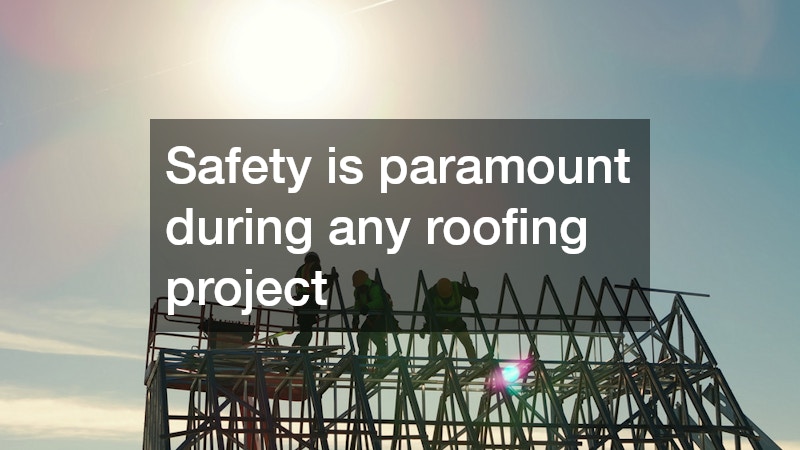
Safety is paramount during any roofing project, and discussing safety measures with your contractors is essential to ensure a secure work environment. Ask about their safety practices and how they plan to protect your home and their workers during the project. This includes the use of personal protective equipment (PPE), scaffolding, and harnesses.
Inquire about the contractor’s safety record and any training programs they implement to keep their crew well-informed about safety standards. Contractors who prioritize safety typically have fewer accidents and offer higher-quality work due to a focus on precision and care. Their ability to safely manage tools and materials on roofs can prevent accidents and minimize damage to your property.
If they will be using any specific equipment or technologies, ask how these contribute to safety and efficiency. Understanding these measures can offer additional reassurance that your roofing contractors are skilled and equipped to handle the project without compromising anyone’s well-being. Ensuring safety compliance can protect you from potential liabilities and guarantee a smoother project execution.
Clarifying Communication Expectations
Establishing clear communication expectations with your roofing contractors can lead to a successful project outcome. Determine the primary point of contact, whether it will be the contractor, project supervisor, or another representative, to ensure consistent updates throughout the project. Regular communication helps address any concerns promptly and prevents misunderstandings.
Discuss how often you can expect updates and through which medium they’ll be communicated, such as phone calls, emails, or in-person meetings. Consistent updates on project milestones, potential delays, or unexpected issues can provide peace of mind and allow you to plan accordingly. A responsive contractor is a sign of professionalism and commitment to customer satisfaction.
Lastly, express your preferred approach for any changes in the project scope or additional costs. Having a protocol for change management helps manage expectations and provides a clear path for resolving any discrepancies. Clear communication is fundamental to ensuring both parties remain aligned and satisfied upon project completion.